Remodeling in Malta, NY: what newer homes usually need
What tends to wear out first in Malta's newer subdivision homes, from builder-grade baths to first-generation decks, and how to plan the work in sensible order.
Most remodeling in Malta, NY starts with the parts of a house that were built to a budget and are now reaching the end of their first life, such as the original pressure-treated deck, builder-grade bathrooms, plain trim and hollow doors, and a kitchen that works but no longer fits how the family lives. Malta's housing is mostly newer than the older villages around it, so the projects look different from old-house restoration. The structure is usually sound; what wears out is the finish, and the decisions that were made quickly when the house went up.
Why Malta homes age differently
Much of Malta was built out in subdivisions over the last few decades, alongside older farmhouses on the back roads and the historic houses in the village of Round Lake. In a subdivision, many houses were built by the same builder from a handful of plans, often in the same few years. That has a useful side effect: neighbors' houses tend to need the same things at about the same time. If the deck two doors down was replaced last summer, yours may not be far behind.
Newer construction also means fewer surprises behind the walls than a 120-year-old house in Saratoga Springs. You are less likely to find knob-and-tube wiring or balloon framing. You are more likely to find a builder's standard choices everywhere: one vanity style, flat-panel doors, thin baseboard, a single exhaust fan that was never quite strong enough. Those choices are what most Malta remodeling projects replace.
The first-generation deck
The original deck on a house of this age is often the first thing that needs real money. Pressure-treated decks built when the subdivision went in have now been through many winters of snow load, freeze-thaw and wet leaves. Common signs that a deck has reached its limit:
- Boards that are cupped, split or soft, especially near the house and under downspouts
- Railings that move when you lean on them
- Rusted fasteners and joist hangers
- A ledger board (the board fastened to the house) with staining or rot behind it
- Stairs that bounce or have shifted on their footings
Our post on signs your deck needs to be replaced covers how to tell a deck that needs new boards from one that needs a new frame. If you are replacing it, this is a good moment to reconsider the material; we lay out the trade-offs in composite vs wood decking in upstate NY.
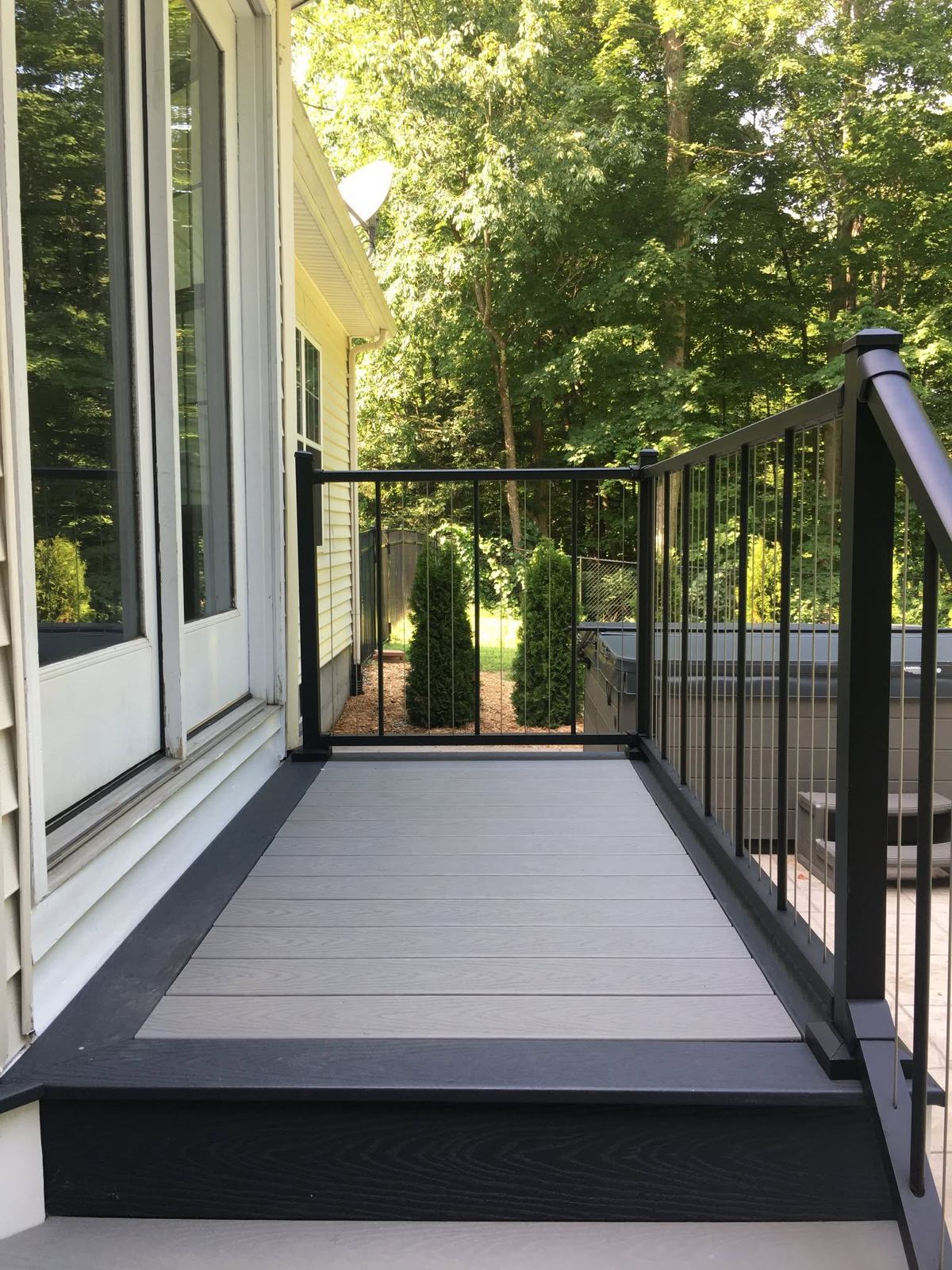
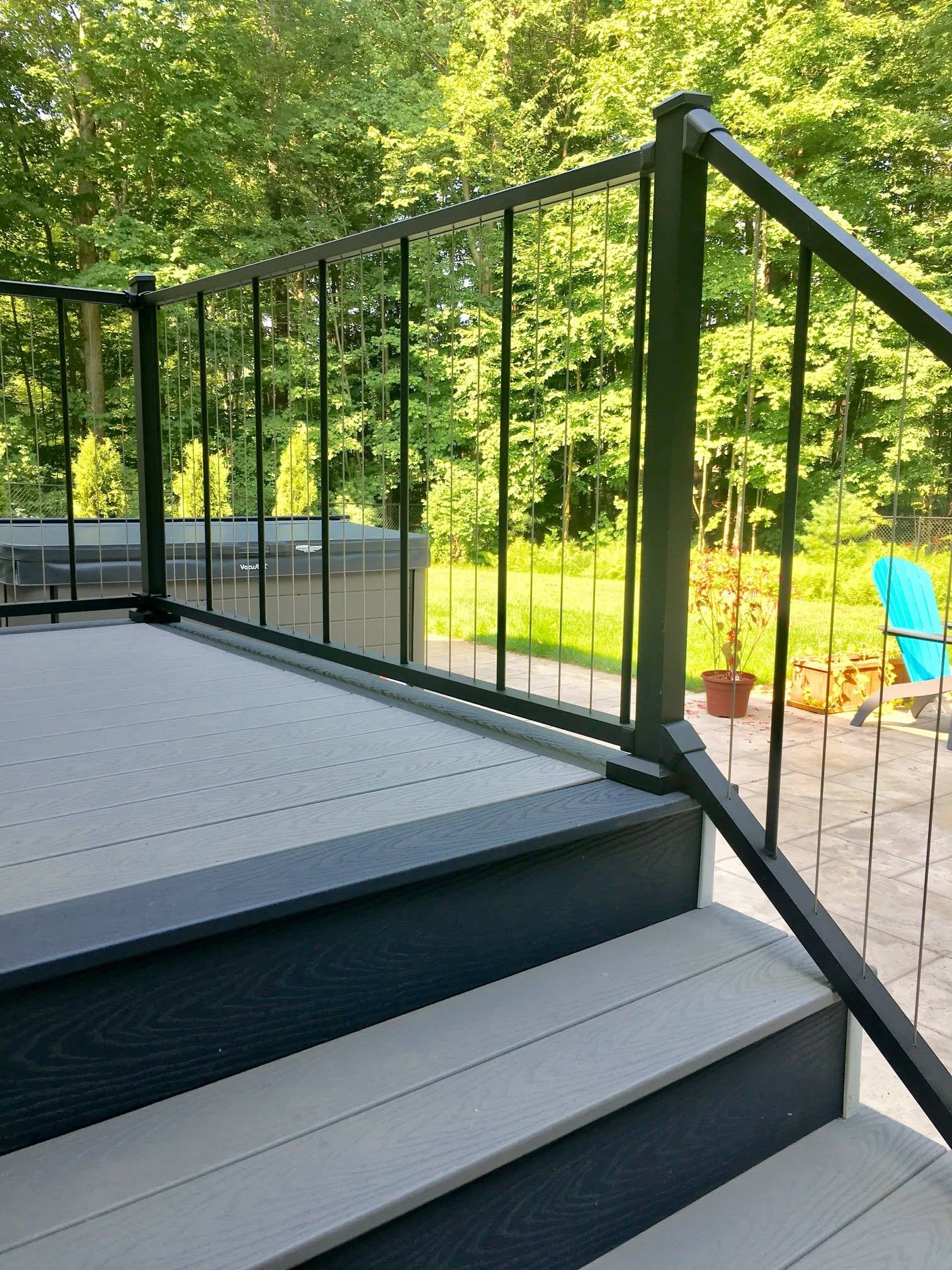
Before replacing a deck, check the current rules. The New York State Residential Code requires guards where a deck surface is more than 30 inches above grade, at least 36 inches high, with openings a 4-inch sphere cannot pass through, and a handrail on stairs with four or more risers. A deck built years ago may not meet today's code, and a replacement will need to. Your town building department can tell you what permit and inspections apply.
Builder-grade bathrooms
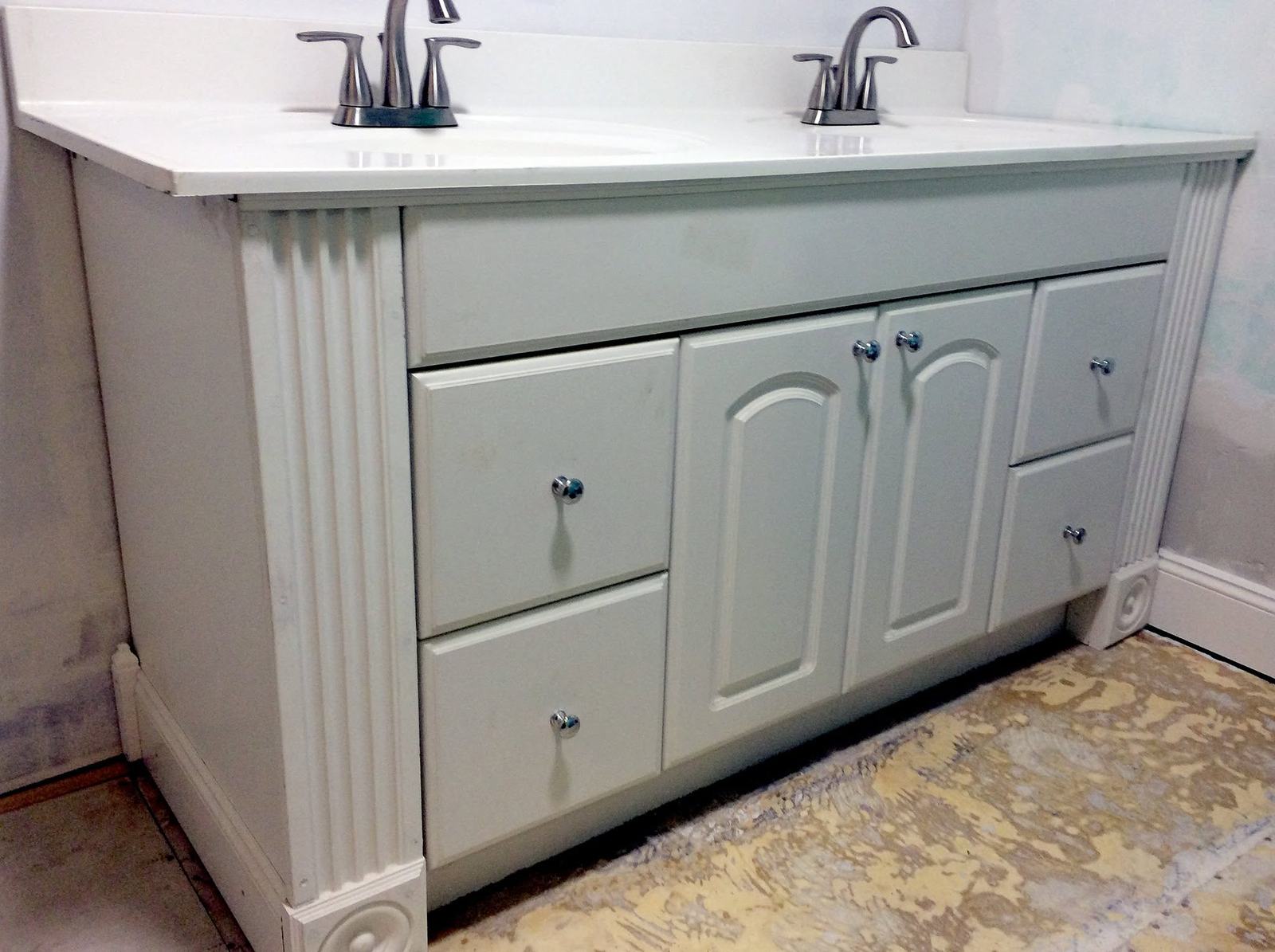
Bathrooms in newer Malta homes tend to share a few problems. The fiberglass tub surround is dull or cracked. The vanity is particleboard that has swollen near the sink. The exhaust fan is undersized or vents into the attic instead of outside, which shows up as peeling paint and mildew on the ceiling. Caulk lines have failed and been re-caulked more than once.
Not every one of these needs a full gut. A bathroom with sound walls and a working layout can often be updated in stages, starting with a new vanity and top, new lighting and fan, new flooring, and a tiled shower later. Our guide to updating a dated bathroom walks through which updates make the biggest difference and which ones make sense to do together. If water has been getting behind the surround, the walls need to be opened and dried before anything new goes on.
Kitchens that work but don't fit
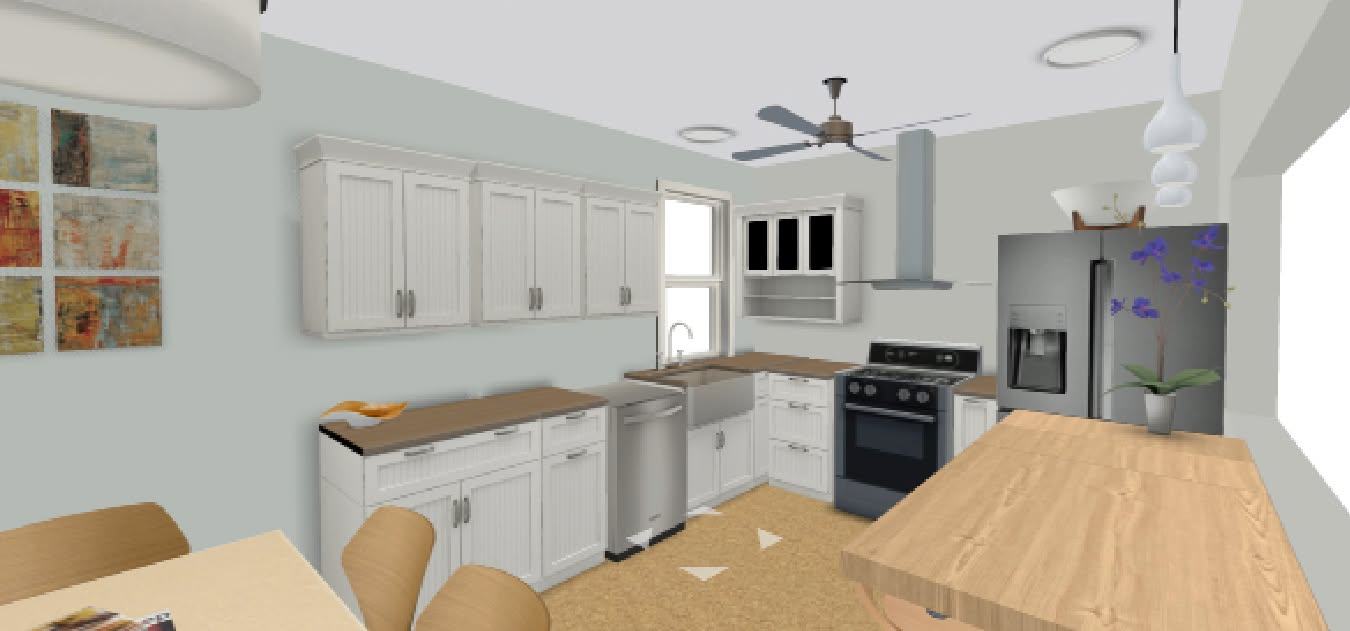
Most Malta kitchens are functional. The complaints are usually about layout and storage rather than failure. The island is too small or in the way, upper cabinets stop short of the ceiling, there is not enough counter by the range, and the pantry is a single narrow cabinet. Families who bought the house with young children often find the kitchen no longer fits teenagers, guests and two people cooking at once.
The first question is whether the cabinet boxes are worth keeping. If they are solid and the layout is right, refacing or repainting can be enough. If the layout is the problem, new cabinets are usually the better use of money. Our post on whether to reface or replace kitchen cabinets helps sort that out before you talk to anyone about pricing.
Trim, doors and built-ins
The quieter upgrade in a newer home is the millwork. Thin colonial baseboard, flat casing around doors and windows, and hollow-core doors are standard in most subdivision houses. Replacing them with taller baseboard, heavier casing and solid-core doors changes how a house feels more than its cost would suggest, and it can be done room by room. We cover this in detail in upgrading builder-grade trim and doors. A built-in bookcase, mudroom bench or office wall fits naturally into the same project.
Planning the order of work
When several projects are on the list, the order matters. A practical sequence for most Malta homes:
- Anything that lets water in or is unsafe: a failing deck ledger, loose railings, a leaking shower.
- Projects that create dust and disruption inside, such as a kitchen or trim, grouped so you only live through it once.
- Finish work and furniture-like pieces, such as built-ins, last.
Outdoor work is limited by the short building season, so deck and exterior projects are best planned over the winter for a spring or summer start. Interior projects can run through the cold months.
Frequently asked questions
Are remodeling permits handled by Malta or by the county?
Building permits for most residential work in Malta are handled by the town's building department, not the county. Rules for which projects need a permit can change, so confirm with the town before work starts. A contractor should be able to tell you which parts of a project need a permit and inspections.
Is it worth upgrading a house that is only twenty or thirty years old?
Often, yes. The structure of a newer house is usually in good shape, which means more of the budget goes into finishes and layout rather than repairs. Decks, bathrooms and trim are the most common places where a newer house shows its age.
Should I do several projects at once or one at a time?
Grouping projects that share trades or disrupt the same rooms usually saves time and mess. Projects in different parts of the house, or outdoor work, can be scheduled separately without much penalty. A phased plan lets you do the urgent work first and the rest as budget allows.
Malta homes are part of the area we cover across the Capital Region. We visit the house first, then provide a written scope of work organized by phase, with the price and a payment schedule tied to each phase, so you can decide what to do now and what can wait.