Restoring an old house in Saratoga Springs: where to start
How to set priorities when restoring a 19th or early 20th century Saratoga Springs home, what to repair rather than replace, and the testing and approvals to plan for.
Restoring an old house in Saratoga Springs goes best when the work follows a clear order. Stop water first, then fix structure, then restore the parts you see every day. A beautiful staircase or a refinished ceiling will not last in a house with a leaking roof or a rotting sill. Starting with an honest look at the whole house, and then working through it in phases, protects both the building and your budget.
The houses we are talking about
Saratoga Springs has an unusually large stock of 19th and early 20th century homes. Greek Revival, Italianate, Second Empire, Queen Anne and Colonial Revival houses line the older streets near downtown, along with plainer workers' houses and two-family homes from the same era. Many have tall ceilings, plaster walls, wide trim, hardwood or softwood floors, wood windows and generous porches.
These houses were built with methods and materials that behave differently from modern construction. Old-growth lumber is dense and often more rot-resistant than wood available today. Lime plaster flexes and breathes in ways drywall does not. Balloon framing leaves open cavities from basement to attic. Understanding how the original house was meant to work is the first step in restoring it without causing new problems.
Step one: keep water out
Water is the main cause of damage in old houses, and most restoration plans should begin with the building envelope.
- Roof and flashing. Check chimneys, valleys and the joints where porch roofs meet the main wall.
- Gutters and downspouts. Water should be carried well away from the foundation. Overflowing gutters are a common cause of rot at the soffit and fascia.
- Grading. Soil and walks should slope away from the house.
- Paint on exterior wood. Paint is what protects trim, siding and sills from water. Our guide to how often to paint exterior trim covers the typical cycle.
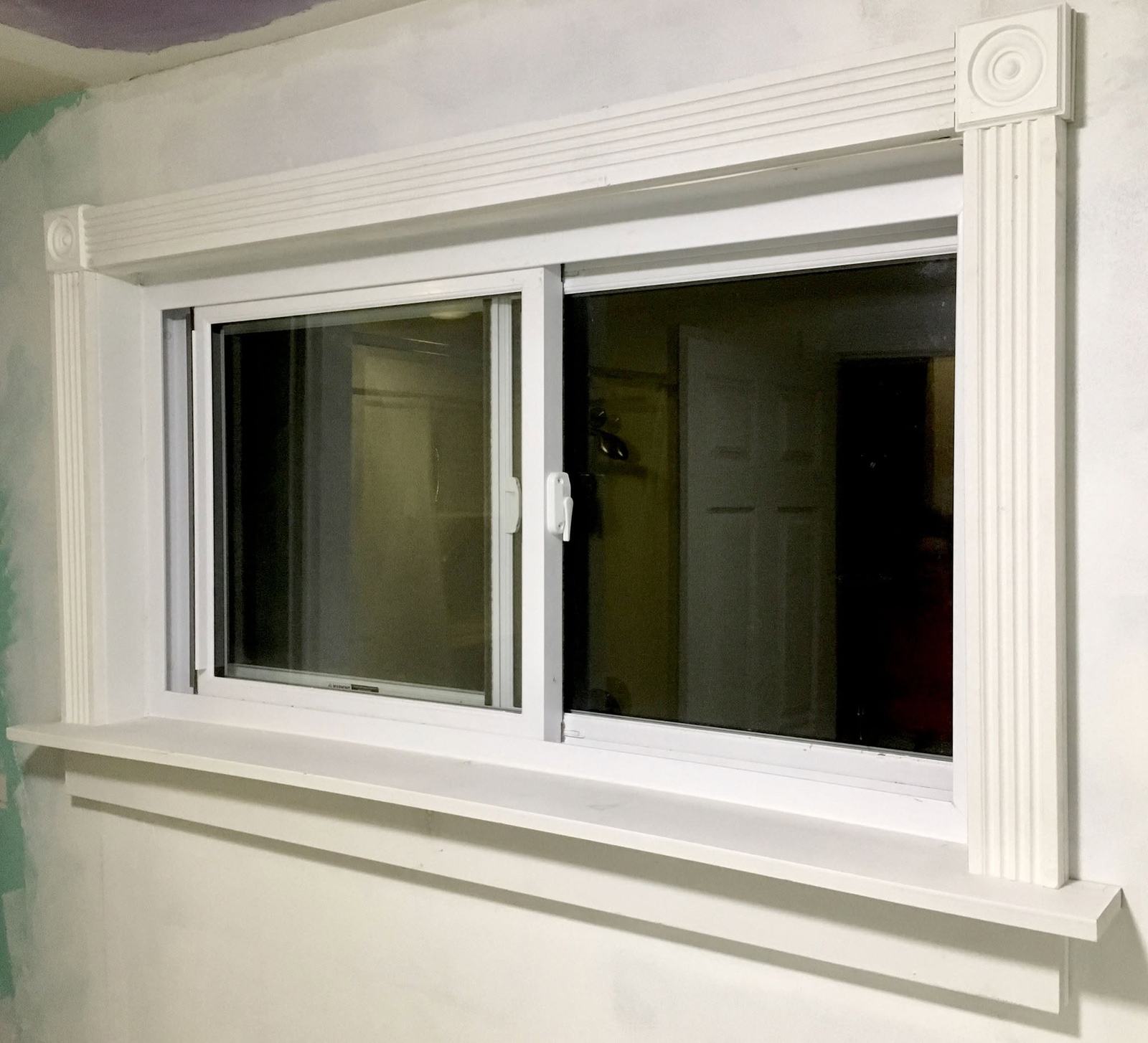
- Window sills. Sills take more weather than any other piece of trim. See our post on window sill rot repair for how to tell a repairable sill from one that needs replacement.
Ice dams deserve special mention in older homes, since many have little attic insulation and a lot of heat escaping into the roof. Fixing the source of ice damming often belongs early in the plan.
Step two: structure and safety
Once water is under control, look at what holds the house up and what could hurt someone. Common items in older Saratoga Springs houses include sagging floors over undersized or notched joists, settled porch posts, rotted sills at the base of exterior walls, and stairs with loose or missing handrails. Structural repairs may call for an engineer's input, and anything involving the foundation or major framing should be evaluated by a qualified professional before work starts.
Old wiring, including knob-and-tube, and outdated plumbing are also part of this stage. Electrical evaluation and repair is work for a licensed electrician, and it is better done before walls and ceilings are restored than after.
Step three: the parts you see
Interior and exterior details give an old house its character, and many of them can be repaired rather than replaced.
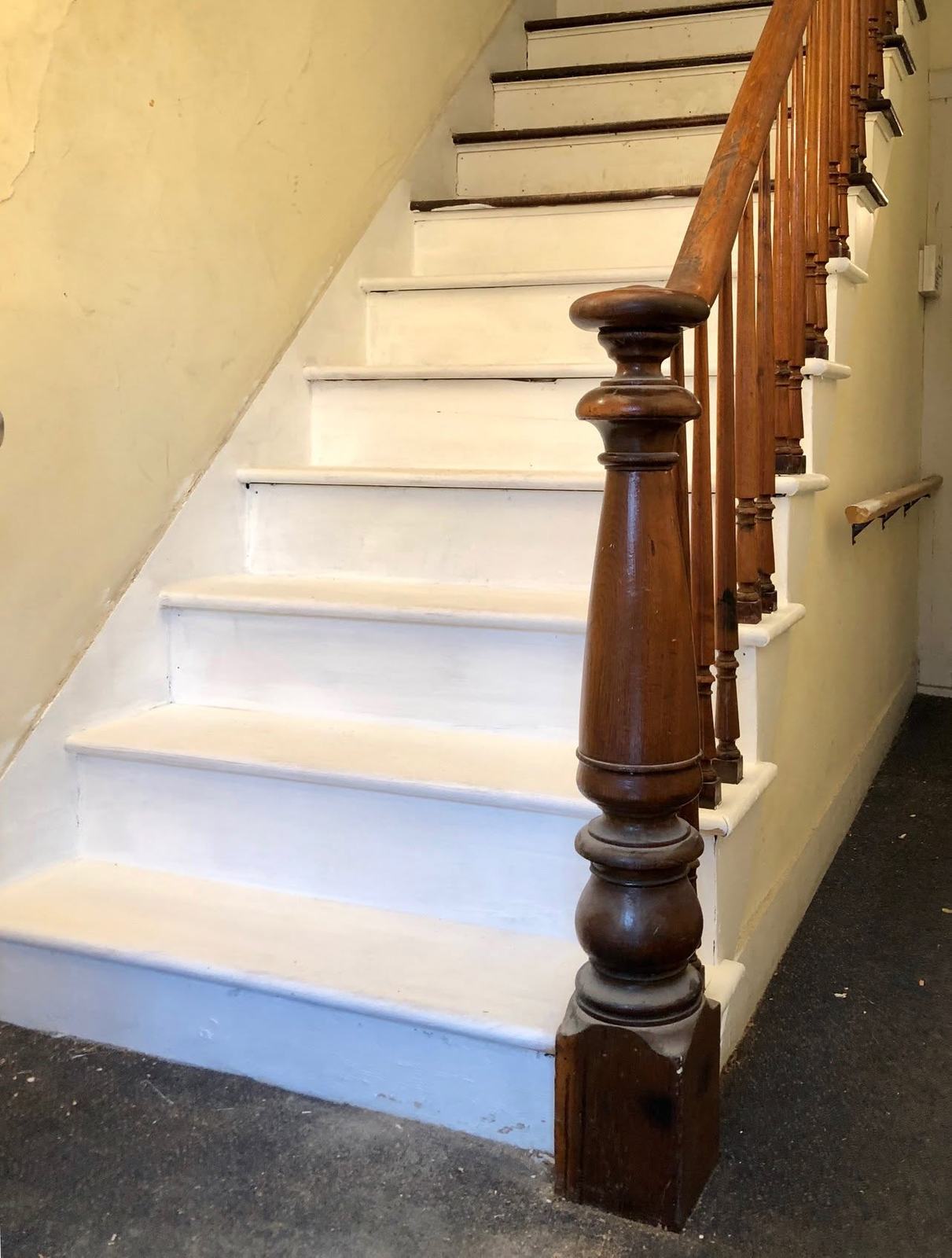
- Staircases. Loose balusters, a wobbly newel and worn treads can usually be fixed while keeping original parts. We restored one staircase while keeping its turned newel. Our post on staircase restoration: repair or replace covers the decision.
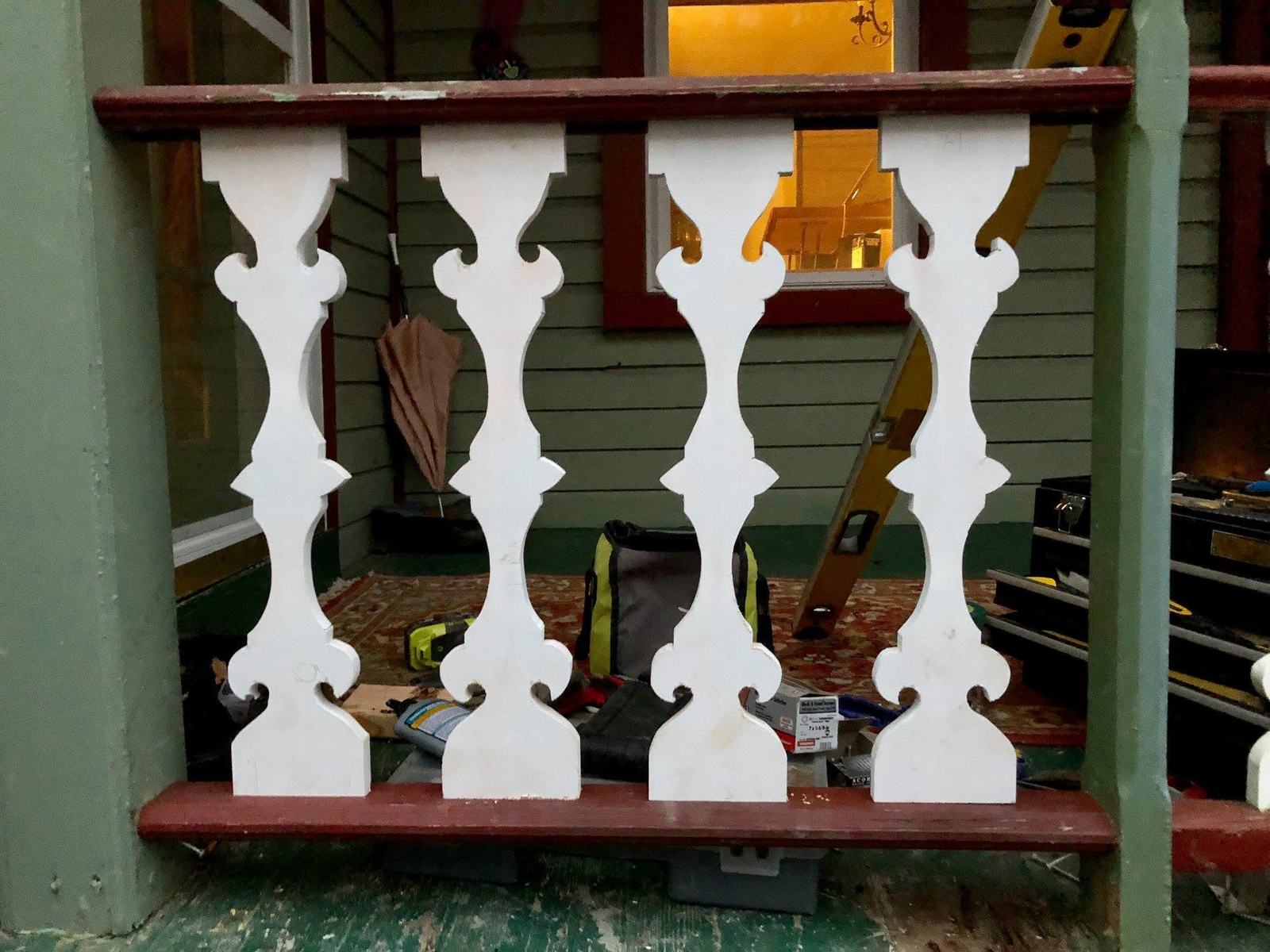
- Porches. Turned posts, scroll-cut balusters and brackets can be copied from surviving pieces when some are too far gone to save. See our guide to porch railing repair.
- Trim and doors. Original casings, baseboards and paneled doors are often worth stripping, repairing and repainting rather than replacing with stock profiles that do not match.
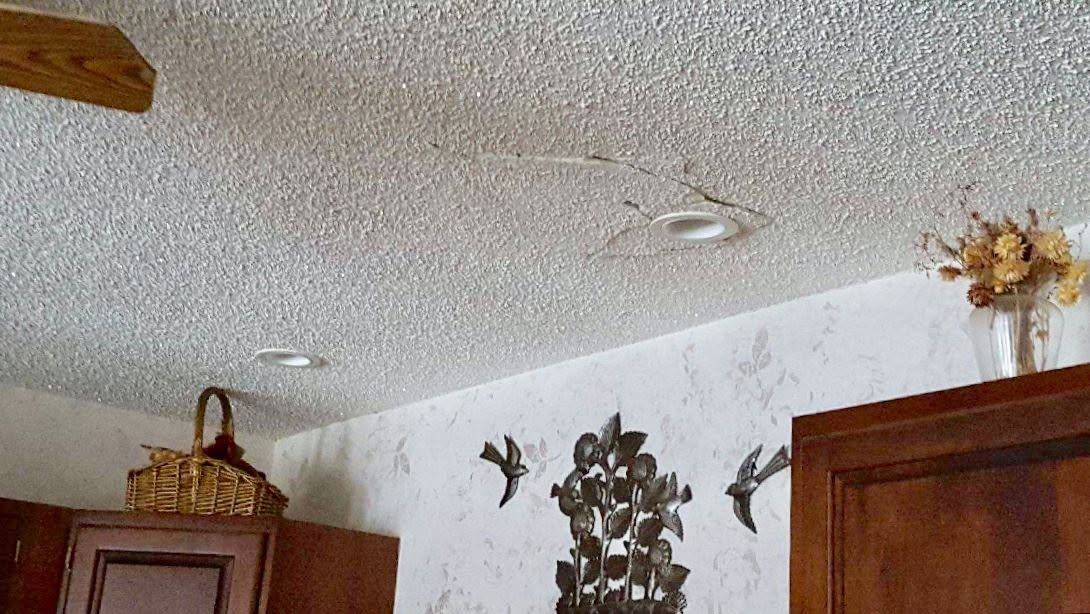
- Ceilings. Cracked plaster ceilings can sometimes be repaired, and in other cases covered. We covered one badly cracked ceiling with tin-look tiles, which suited the period of the house without tearing out the plaster.
A good rule is to repair what can be repaired, replace only what has failed, and match new pieces to the originals in profile and material.
Lead paint and asbestos
Any house built before 1978 may contain lead paint, and in a 19th century home it is very likely somewhere under the newer layers. Sanding, scraping, cutting or demolishing painted surfaces can release lead dust, which is especially dangerous to young children and pregnant women. Have painted surfaces tested before disturbing them, and use contractors who follow lead-safe work practices.
Older popcorn ceilings, some plaster texture coatings, pipe and boiler insulation, and certain flooring materials can contain asbestos. Have suspect materials tested by a qualified lab before any work disturbs them. If asbestos is found, removal is work for a licensed abatement contractor.
Historic districts and approvals
Much of the older housing in Saratoga Springs sits in one of the city's historic districts. In those areas, exterior changes such as new windows, porch alterations, siding, and some roofing work can need Design Review Commission approval. Interior work can need a building permit as well. Our post on building permits in Saratoga Springs explains how to find out what applies to your project. Ask early, since approval timing affects the whole schedule.
Planning the work in phases
Very few homeowners restore an entire old house at once. Breaking the work into phases, ordered by water, structure and then finish, makes the project manageable and keeps the most urgent repairs at the front. A written scope that lists each phase, with its own price and payment, gives you a clear picture of what comes next and lets you pause between phases if needed. Old houses also tend to reveal surprises once walls or floors are opened, so agreeing in writing on any change before the work continues is especially important.
Frequently asked questions
Should I replace the original windows in an old house?
Not automatically. Many original wood windows can be repaired, reglazed and fitted with storm windows to improve comfort. Where sashes or frames have failed, replacement may be the better choice. In a Saratoga Springs historic district, window replacement visible from the street may need Design Review Commission approval.
What should I fix first in an old house?
Start with anything letting water in, such as roof leaks, failing gutters, poor grading and peeling exterior paint. Next address structure and safety, including floors, porch supports, stairs and wiring. Cosmetic and finish work comes last, so it is not damaged by problems that were not fixed.
Is it safe to sand old paint?
Not until it has been tested. Homes built before 1978 may have lead paint, and sanding or scraping it creates hazardous dust. Test first, and if lead is present, use lead-safe work practices or hire a contractor trained in them.
We restore stairs, porches, trim and ceilings in older homes, and our design and build work is planned by phase with a written scope. See our restoration and built-ins work or read more about our projects in Saratoga Springs.