Home remodeling and old-house repair in Glens Falls and Queensbury
Older houses in Glens Falls and newer homes in Queensbury wear out in different ways. What to look at first, and how to plan repairs around a northern winter.
Home remodeling in Glens Falls and Queensbury splits into two kinds of work. In the city of Glens Falls, many houses are a century old or more, and the projects are about repairing and keeping original porches, stairs, trim and plaster while updating kitchens and baths. In Queensbury, much of the housing is newer and suburban, and the work looks more like replacing builder-grade finishes and aging decks. Both sit far enough north that snow, ice and freeze-thaw drive a lot of what needs fixing.
Two housing stocks side by side
Glens Falls grew as a mill and manufacturing city, and its neighborhoods have the houses to show for it, including two-story frame houses with front porches, Victorian-era homes with decorative trim, and older brick buildings closer to downtown. Queensbury surrounds the city and includes everything from older farmhouses to subdivisions and homes near Lake George and the lakes and ponds of the town.
That mix matters when you plan a project. An old house rewards repair. Original stair parts, window casings and porch details are often better material than anything you can buy new, and replacing them can cost more than fixing them. A newer house rewards upgrades: the bones are fine, and the money goes into layout, storage and finishes.
Older houses in Glens Falls: what to check first
In a house built before the Second World War, the problems we see most often are slow ones that have been building for years.
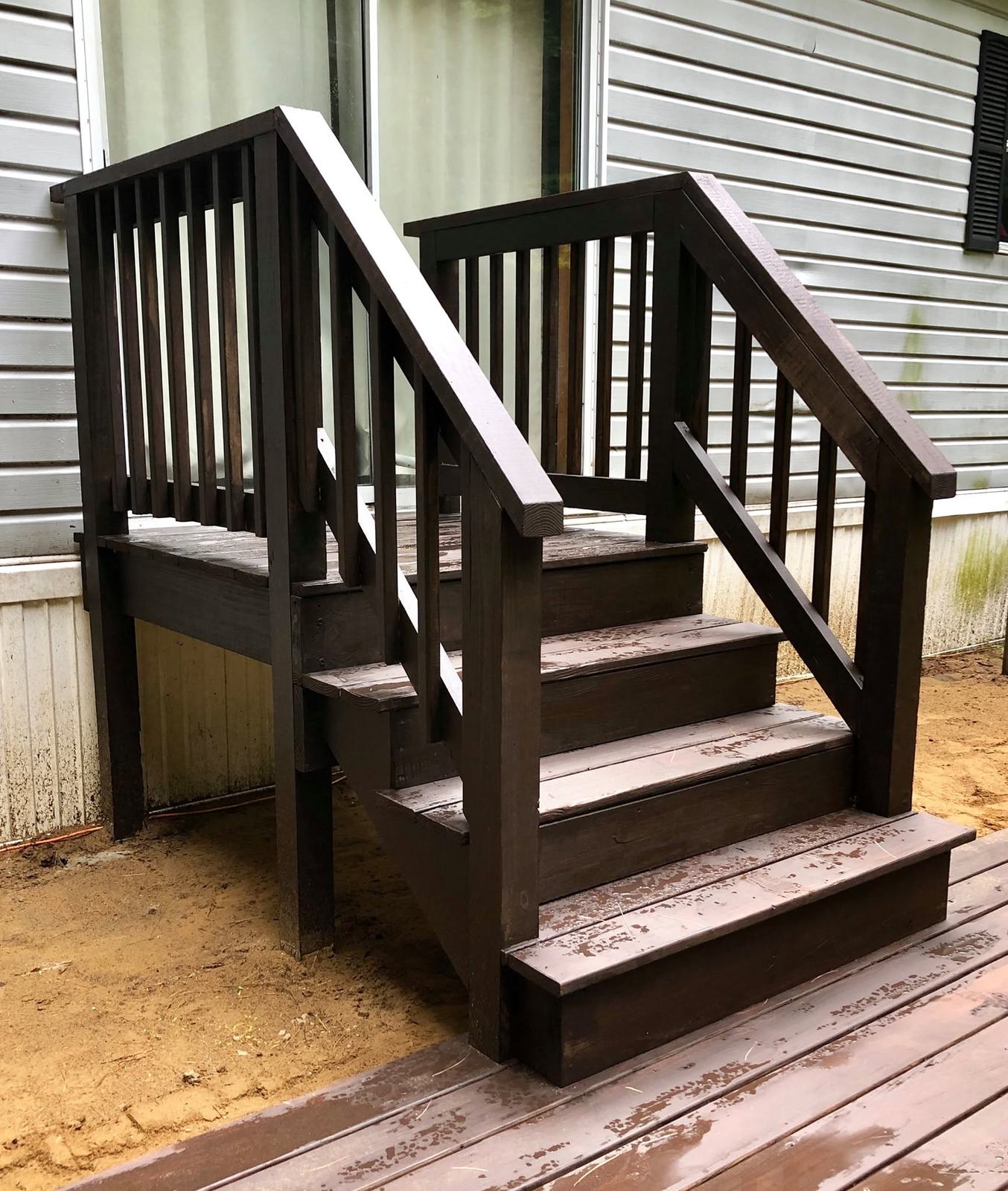
- Porches. Floor boards, posts and the bottoms of columns rot where water sits. Railings loosen. Steps settle. Our guide to porch railing inspection explains how to tell a loose rail from a structural problem.
- Window sills and exterior trim. Sills take the most water of any trim on the house. A soft spot can often be repaired with a dutchman (a fitted patch of new wood) rather than replacing the whole window. See window sill rot repair.
- Interior stairs. Loose balusters, a wobbly newel post and creaking treads are common. They are usually repairable, and the original turned parts are worth keeping.
- Plaster ceilings. Cracks and sagging in old plaster can be stabilized, patched or covered. A cracked ceiling can be covered with tin-look tiles, which suits many older rooms.
- Cellars. Old stone or block foundations, steep cellar stairs and worn bulkhead doors are typical.
For a fuller picture of how we approach this kind of house, our post on restoring an old house in Saratoga Springs applies just as well to Glens Falls, since the housing is similar in age and construction.
Test before you disturb old materials
Houses built before 1978 can have lead paint, and older homes can have asbestos in popcorn ceilings, pipe insulation, some floor tiles and siding. Before sanding, scraping or demolishing, have the suspect materials tested. If they test positive, the work needs to be done by people trained and certified to handle them. This is not a step to skip on an old house, especially with children in the home.
Newer homes in Queensbury: what to check first
Queensbury's subdivisions and newer homes tend to need a different list.
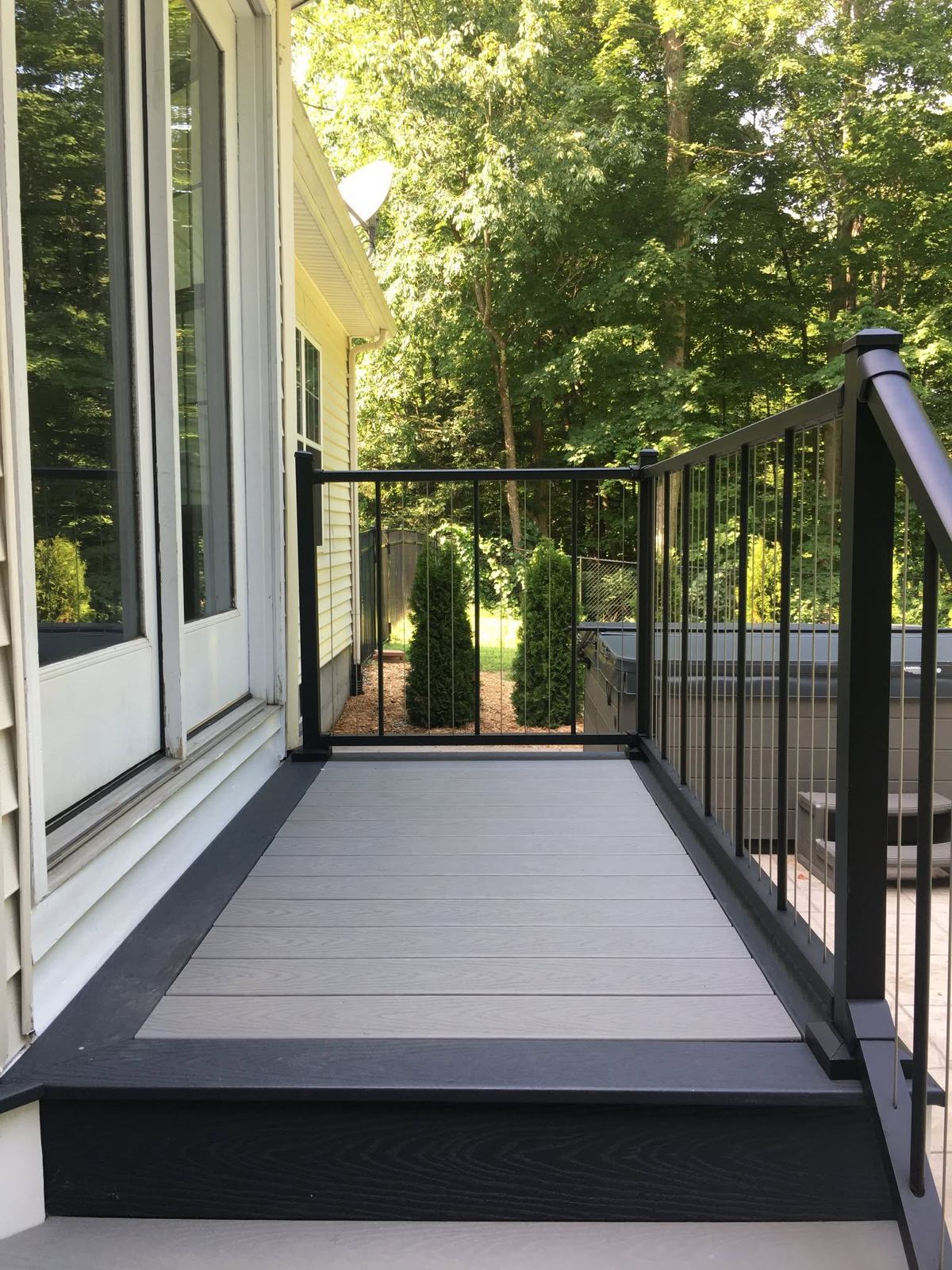
- Decks built with the house, now soft, splintered or loose at the railings
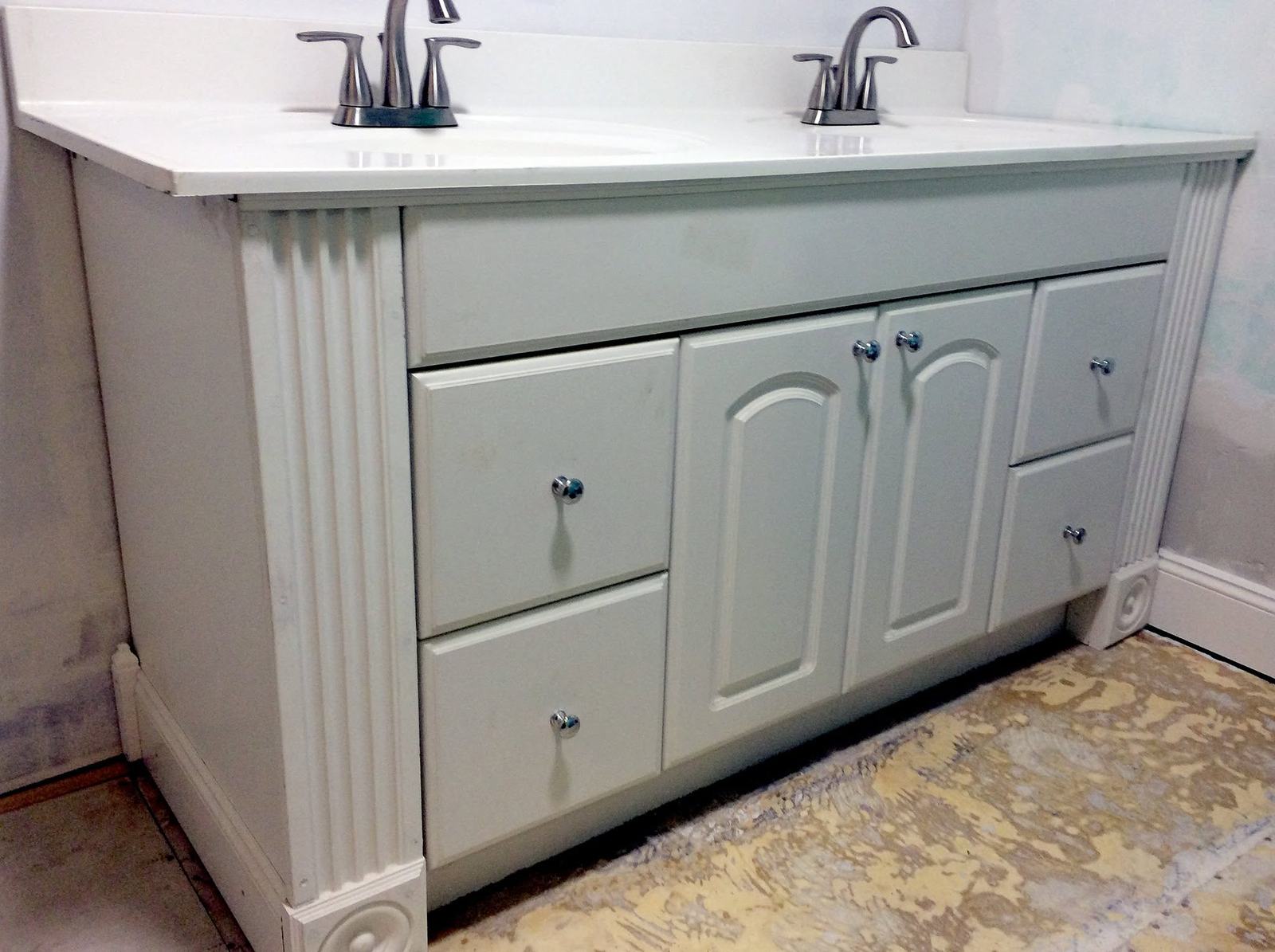
- Bathrooms with fiberglass surrounds, swollen vanities and weak exhaust fans
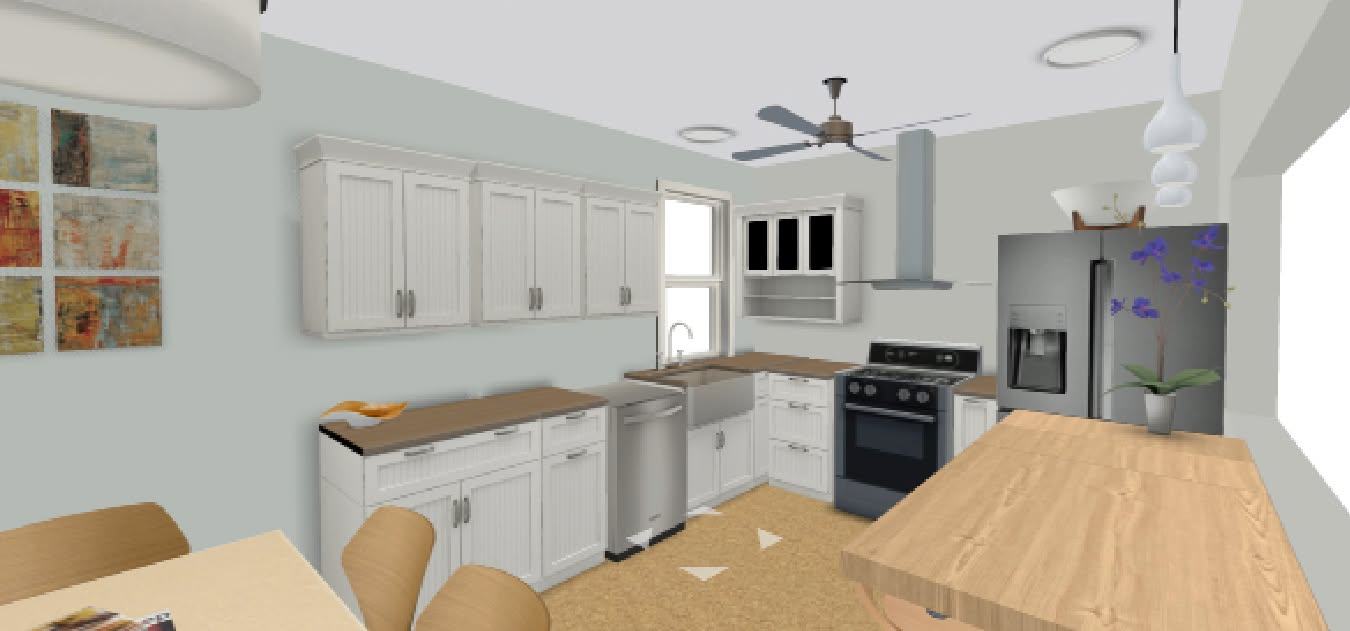
- Kitchens with a layout that no longer works for the household
- Trim and doors that were the builder's least expensive option
These projects are usually more predictable than old-house repair, because there is less hidden damage. They still need a site visit, because a deck that looks tired on top can have a rotted ledger or failing footings underneath.
The northern winter and what it does
Glens Falls and Queensbury generally get more snow and colder stretches than towns farther south in the Capital Region. That shows up in a few predictable ways.
Ice dams. When heat escapes into the attic, snow melts on the upper roof and refreezes at the cold eaves. Water backs up under the shingles and leaks into walls and ceilings. A brown stain on a top-floor ceiling or water at the top of a window in late winter is a common sign. Our post on ice dams and winter damage covers how to repair the damage and what reduces the risk next year.
Frost and steps. Concrete and wood steps heave and crack as the ground freezes and thaws. Steps that rock or have pulled away from the house are a trip hazard and often a sign of a footing problem.
Gutters and fascia. Heavy snow and ice pull gutters away from the fascia and hold water against the wood. Rotted fascia and soffits are often found when gutters are replaced.
A short season for exterior work. Porch, deck and siding work is best planned in winter for a spring or summer start. Interior projects such as kitchens, baths and stair repair can carry through the cold months.
Permits and historic considerations
Most structural work, decks, additions and new plumbing or electrical work need a building permit. Glens Falls is a city with its own building department; Queensbury is a town with its own. Requirements differ between them, and some older neighborhoods may have historic review for exterior changes. Check with the city or town before you finalize plans for an exterior project, and expect your contractor to know which parts of the work need a permit and inspection.
Frequently asked questions
Is it better to repair or replace an old porch in Glens Falls?
It depends on the structure. If the framing and footings are sound, rotted boards, posts and railings can usually be replaced in kind and the porch kept. If the framing is rotted or the porch has settled badly, rebuilding the structure while matching the original details is often the better choice.
Why do ice dams keep coming back on my house?
Ice dams form when heat escapes into the attic and melts snow on the roof. Clearing them treats the symptom. The lasting fixes are air sealing and insulation in the attic and good ventilation, which usually involves an insulation contractor alongside any repair work.
Do I need to test for lead paint before a small repair?
If the house was built before 1978 and the work will disturb painted surfaces, testing first is the safe choice. Lead dust from sanding or scraping is the main hazard, and it is avoidable with the right precautions.
Glens Falls and Queensbury are part of the area we cover across the Capital Region. For older houses, we focus on repairing and keeping original porches, stairs and trim; for newer homes, decks, kitchens, baths and built-ins, always starting with a visit to the house and a written scope of work by phase.