Planning an outdoor shower or garden structure in Saratoga County
Where to put an outdoor shower, how to handle water supply and drainage, how to protect it from freezing, and what to know about pergolas, arbors and garden bridges.
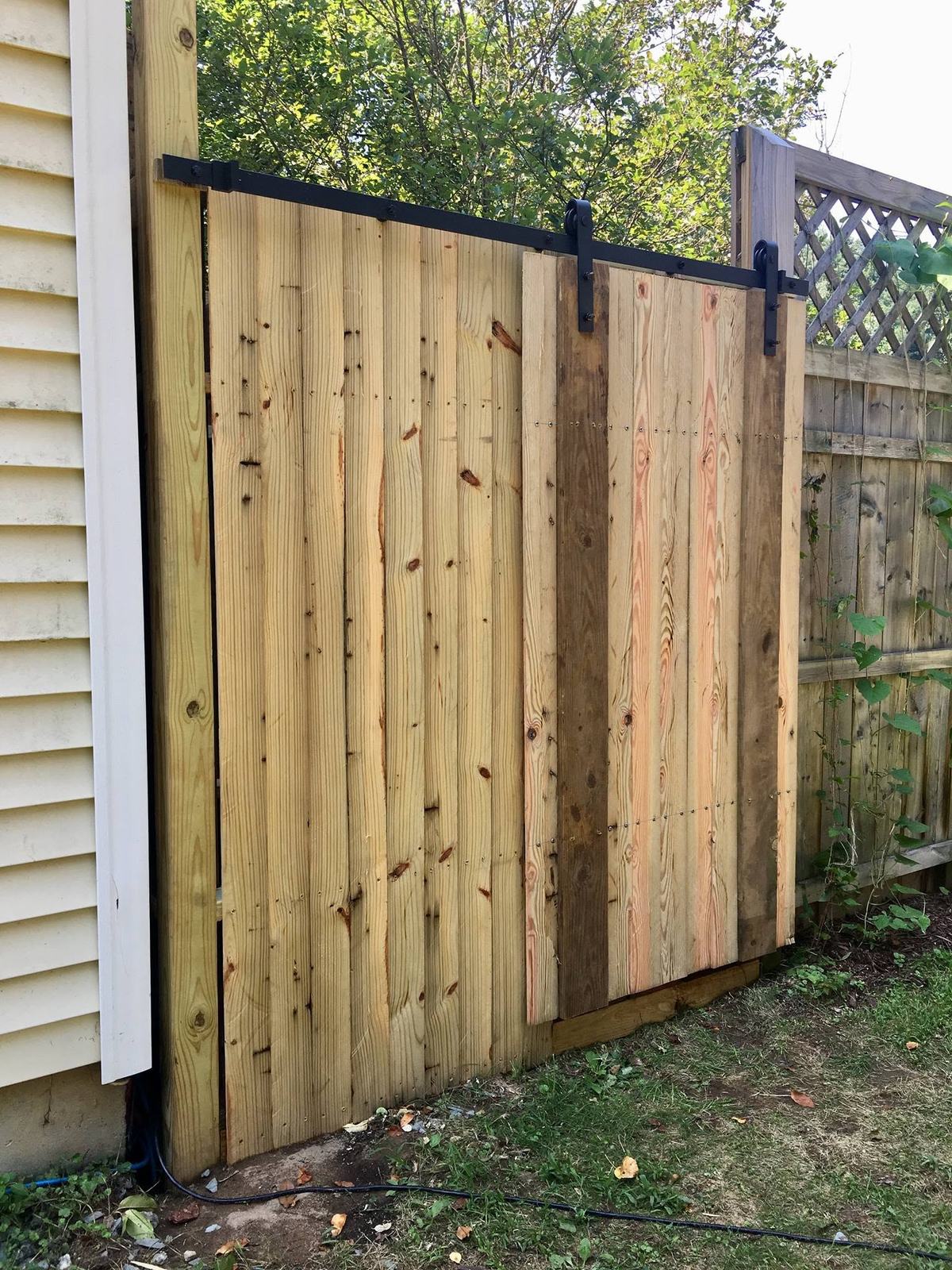
An outdoor shower in Saratoga County works well when three things are planned from the start: where the water comes from, where it goes, and how the whole thing gets drained before the first hard freeze. Get those right and the rest is carpentry, privacy and finish choices. The same thinking applies to garden structures such as pergolas, arbors and footbridges, which have to stand up to frost, snow load and wet ground for many years.
Why an outdoor shower makes sense here
Outdoor showers are associated with the beach, but they earn their place inland too. After a day at Saratoga Lake or on a trail, after yard work, or after a dog has found the mud, rinsing off outside keeps dirt and sand out of the house. A shower by the pool or garden can serve the same purpose. In summer, many owners simply like showering outdoors, and the season here is long enough to make the investment worthwhile.
Choosing the location
A good spot is close to an existing water supply, offers some natural privacy, drains well and is reachable on a path you will actually use. The most common locations follow.
- Against an exterior wall near a basement, mudroom or kitchen plumbing, which keeps supply lines short.
- Next to a deck or patio, where it can share a level surface and a walkway.
- Near a pool or garden as a freestanding enclosure.
Morning sun helps a shower dry out between uses and discourages mildew. A spot under heavy tree cover stays damp longer and collects leaves. Think about sightlines from neighbors' windows and the street, as well as from your own house.
Water supply and drainage
Supply
The simplest setups run cold water only, sometimes from a hose connection. Most people want warm water, which means running hot and cold supply lines from the house to a mixing valve at the shower. Every piece of that plumbing has to be designed so it can be drained before winter. That is the single most important detail in our climate. A valve or pipe that holds water in January will split.
Plumbing tied into the house supply is work for a licensed plumber, and any lighting or outlet near the shower must be done by a licensed electrician with the protection the code requires for wet locations.
Drainage
Where the water goes matters as much as where it comes from. A small rinse shower may drain into a gravel bed or dry well sized for the soil. A shower used more often, or one with soap and shampoo, raises questions about where gray water may be discharged. Rules differ by town and depend on whether the property has municipal sewer or a septic system. Check with your town or city building department before deciding on a drainage approach, and keep drainage well away from your foundation, your well and any septic field.
The floor of the shower should let water through or shed it quickly. Spaced decking boards over gravel, stone pavers and sloped concrete are common choices.
Winterizing
Capital Region winters will find any water left in the line. A shower that is easy to winterize is one that will last. Plan for these features at the design stage.
- A shutoff valve inside the heated house, ahead of the exterior supply lines.
- Supply lines that slope back toward a drain point so they empty completely.
- A shower valve and head that can be opened or removed to let water out.
- Labels or a short written note on what to close and open each fall and spring.
A frost-free hose bib is a related idea for cold-water-only showers. These valves seal off water inside the wall where it is warm, but they only work if the hose is disconnected before the freeze. Our fall home maintenance checklist includes shutting off and draining exterior water lines along with the other tasks to finish before the snow.
Building the enclosure
Cedar is the traditional material for outdoor shower walls. It resists rot naturally and weathers to a silver gray if left unfinished. Pressure-treated lumber works for posts and framing, and composite or PVC boards can be used for walls and floors where a low-maintenance surface is wanted. Stainless steel or hot-dipped galvanized fasteners hold up best in constantly wet conditions.
Several design points are worth settling early.
- Size. Enough room to turn around and a separate dry area with a bench and hooks makes the shower more usable.
- Walls. Spaced slats let air move and help drying while still giving privacy.
- Door or no door. A turned entry can provide privacy without a door to maintain.
- Footings. Posts need proper footings so the enclosure does not heave and rack after a few winters.
Garden structures: pergolas, arbors and bridges
Freestanding garden structures face the same forces as a deck, just at a smaller scale. Frost can heave posts that are not set on proper footings. Snow piles up on pergola tops and can stress rafters. Constant contact with wet soil rots wood that is not rated for ground contact.
- Pergolas and arbors. Posts should sit on footings or post bases rather than directly in the soil, and the top should be designed to shed snow rather than hold it. A pergola attached to the house has to be connected properly and may need a permit.
- Garden bridges. A footbridge over a stream, ditch or low spot needs solid supports at each bank and enough clearance for spring runoff. Handrails make the crossing safer, especially when the deck is wet. We show a garden bridge among our own work.
- Sheds and other outbuildings. These often have size limits and setback rules, so check with the building department.
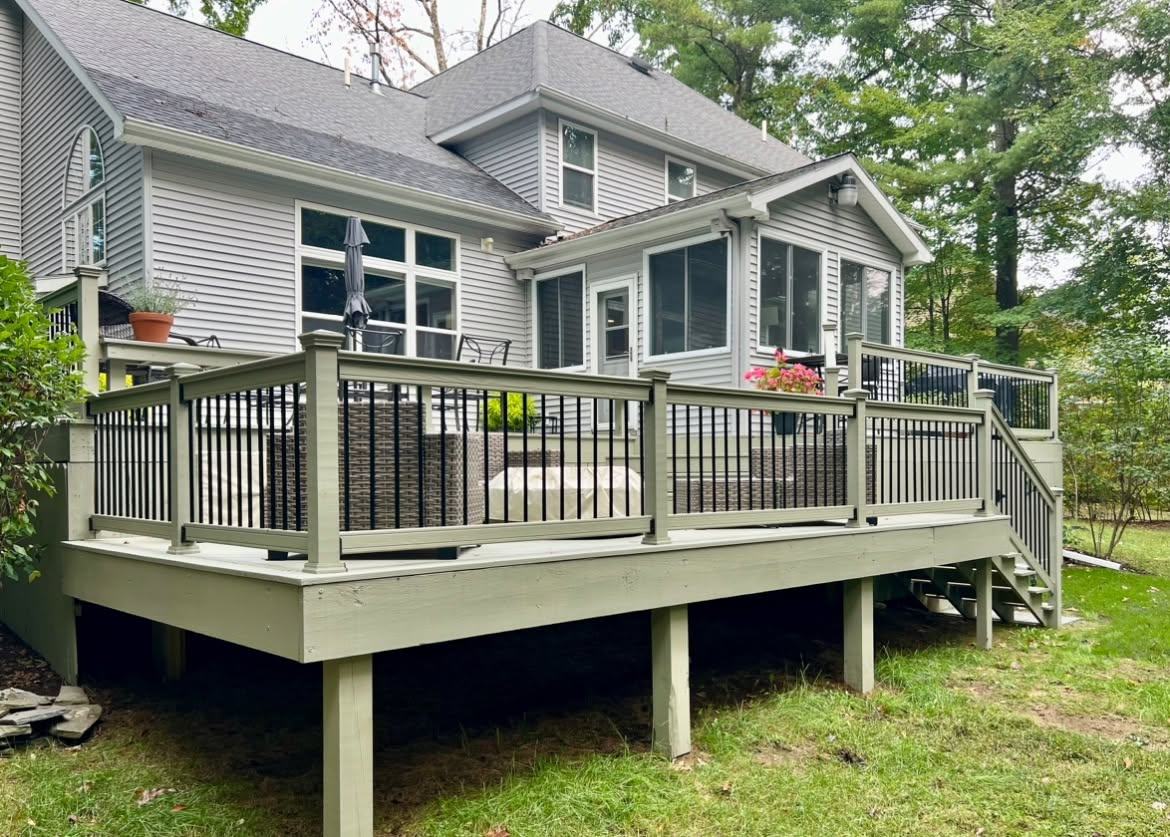
Many of the same material choices apply, so our post on composite vs wood decking is useful background for any outdoor build. Timing matters too, and the scheduling advice in our guide to the best time to build a deck applies to garden structures as well.
Frequently asked questions
Can an outdoor shower have hot water in upstate New York?
Yes. Hot and cold lines can run from the house to a mixing valve at the shower, installed by a licensed plumber. The system has to be designed so every pipe and the valve can be fully drained before freezing weather.
Where can an outdoor shower drain?
That depends on how much it is used, the soil, and local rules for gray water, which vary with whether you have sewer or septic. A small rinse shower often drains to a gravel bed or dry well. Check with your town building department before choosing, and keep drainage away from the foundation, well and septic field.
When should I winterize an outdoor shower?
Before the first hard freeze, which in Saratoga County usually means sometime in the fall. Close the indoor shutoff, open the exterior valve and drain points, and leave them open through winter.
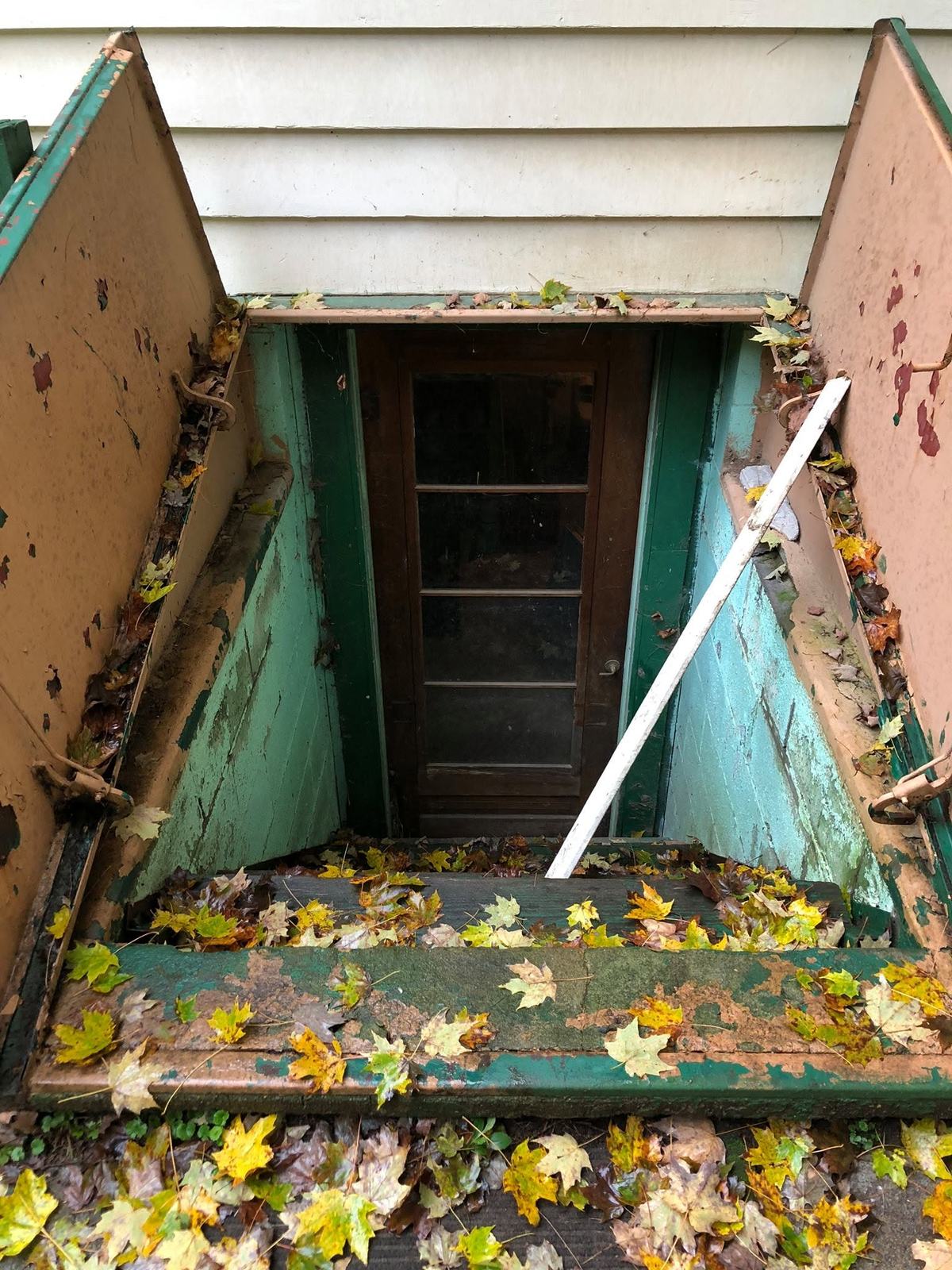
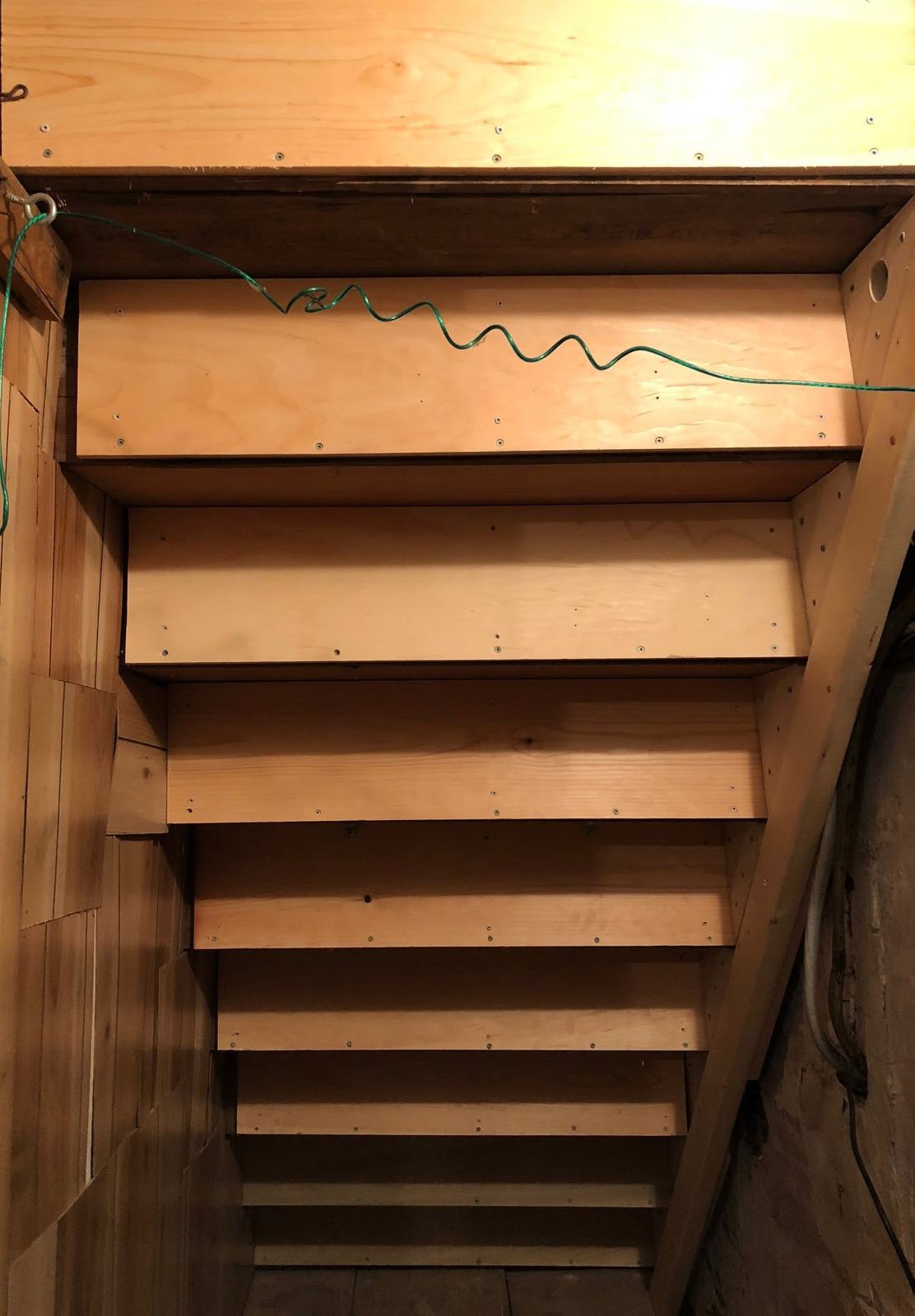
We build outdoor showers, garden bridges and other garden structures, along with bulkhead and cellar stair work, planned with a written scope by phase. See our outdoor and bulkhead projects for more on what we build. If the shower will tie into a deck or stair, our decks and stairs page covers that side of the work.