A fall home maintenance checklist for Saratoga County
The exterior jobs worth finishing between Labor Day and the first hard freeze, in the order that makes sense for a Capital Region fall.
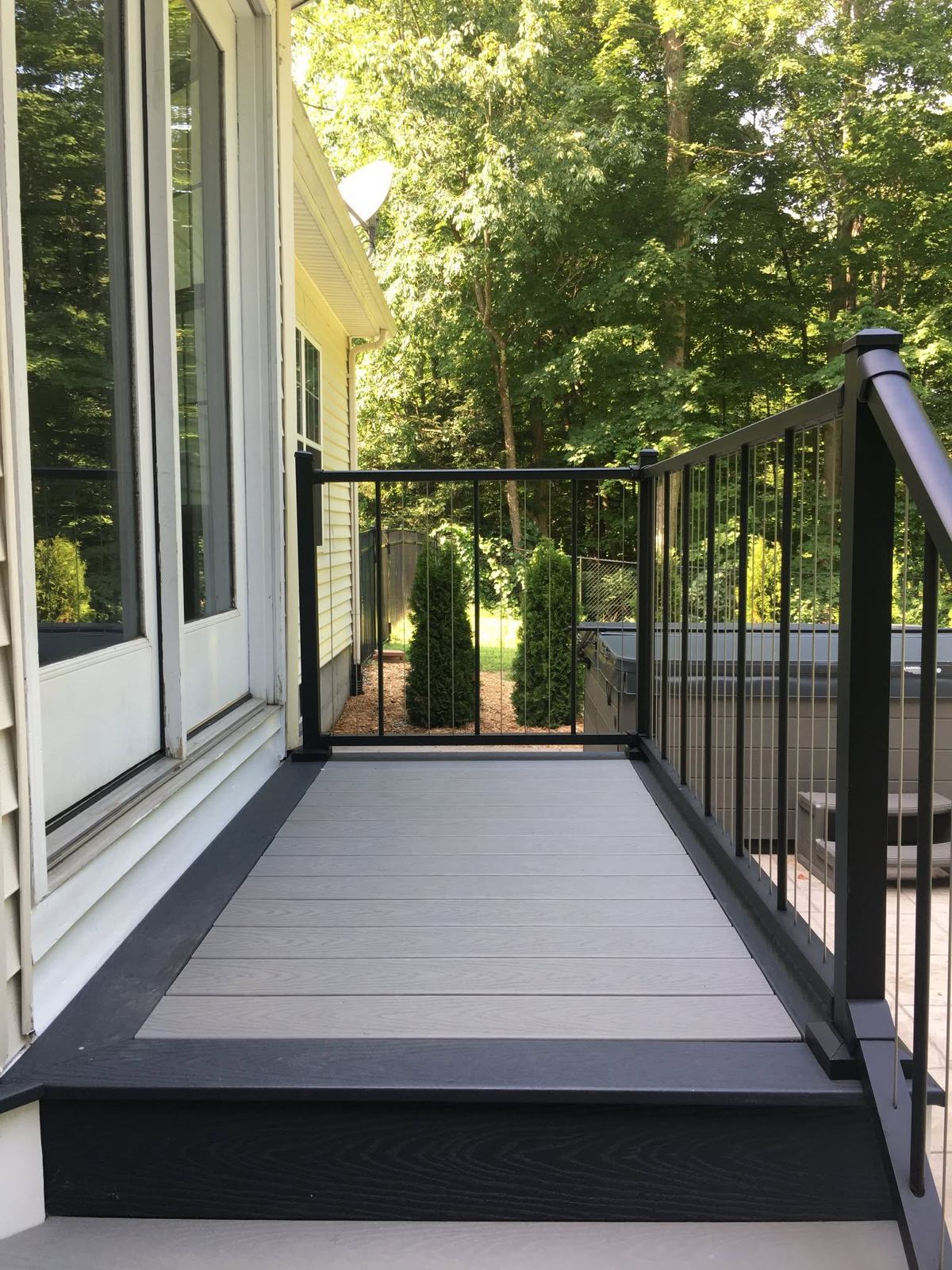
The most useful fall home maintenance in Saratoga County is the work that keeps water and ice from doing damage over the winter. That means clearing gutters after the leaves drop, sealing gaps in trim and siding while it is still warm enough for caulk to cure, shutting off outdoor water, and fixing loose steps and railings before they are covered in ice. Anything that needs paint, stain or sealant should be finished early in the fall, because once nights stay near freezing most of those products will not cure properly.
Why the order matters in a Capital Region fall
Our building season ends quickly. A September afternoon is perfect for painting, but by late October many nights drop below freezing, and the first lasting snow can arrive in November. Most exterior coatings and sealants list a minimum application temperature on the label, and many also need the temperature to stay above that minimum overnight. That pushes coating work to the front of the season.
Gutter cleaning works the other way. Clearing gutters in early September does little good if the maples and oaks drop everything three weeks later. Plan to clean them once the trees over your roof are mostly bare, often late October or early November.
A rough calendar:
| When | Focus |
|---|---|
| September | Paint, stain and caulk; deck and railing repairs; trim and sill repairs |
| Early October | Steps and handrails; grading and downspouts; bulkhead and cellar door |
| Late October to November | Gutters after leaf drop; outdoor water off; final walk-around |
| Before the first big storm | Snow gear ready; walkway edges marked; deck cleared of planters |
Decks, steps and railings
Icy steps and loose railings cause a large share of winter falls, and these repairs are much harder once snow arrives.
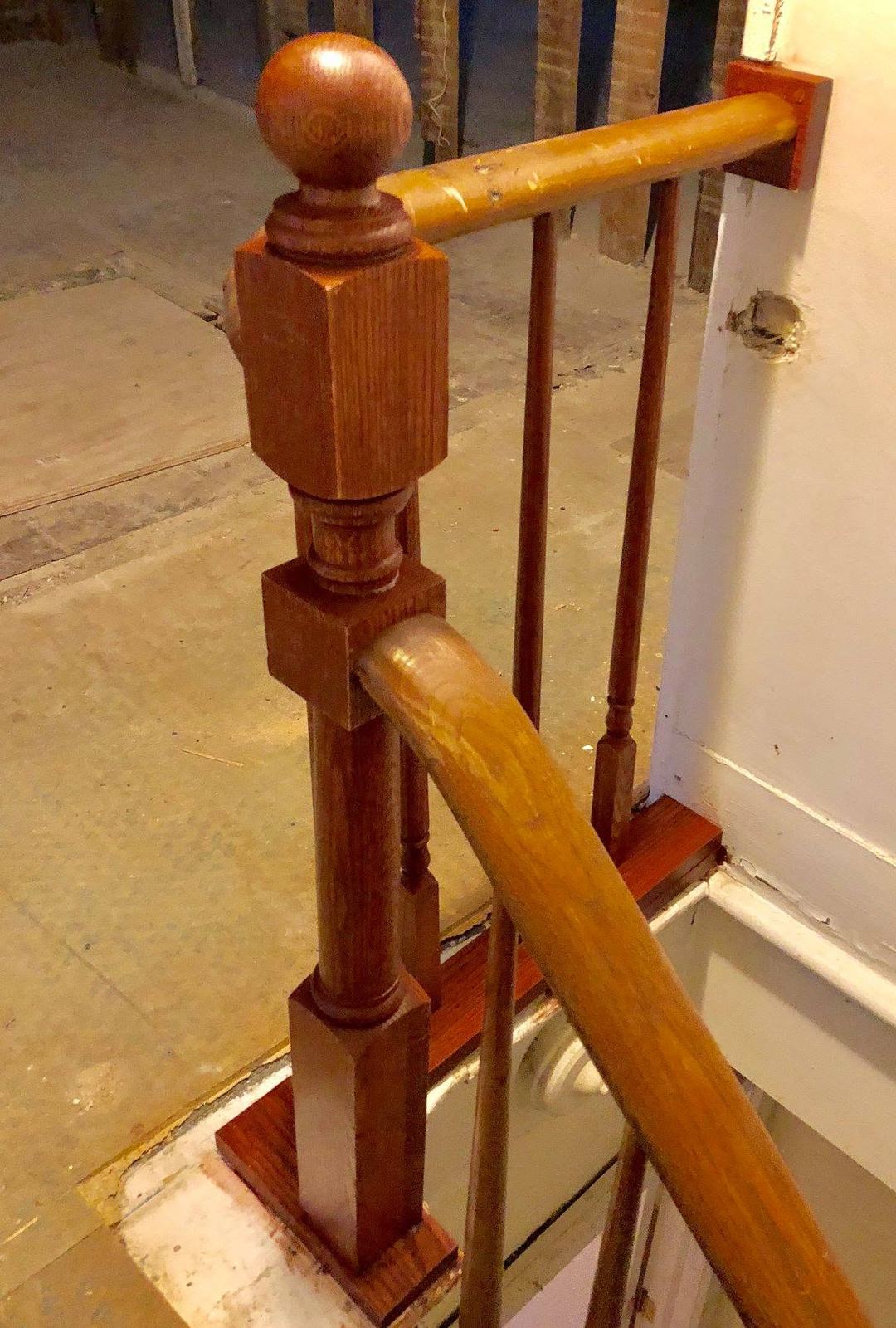
- Push-test every railing and handrail. Anything that moves should be repaired now. Under the New York State Residential Code, stairs with four or more risers need a handrail, and deck guards are required where the surface is more than 30 inches above grade.
- Probe deck boards and stair treads with a screwdriver, especially around fasteners and at board ends. Replace soft boards before they carry snow loads.
- Check where the deck meets the house. Look under the deck at the ledger board for rust stains, gaps or soft wood.
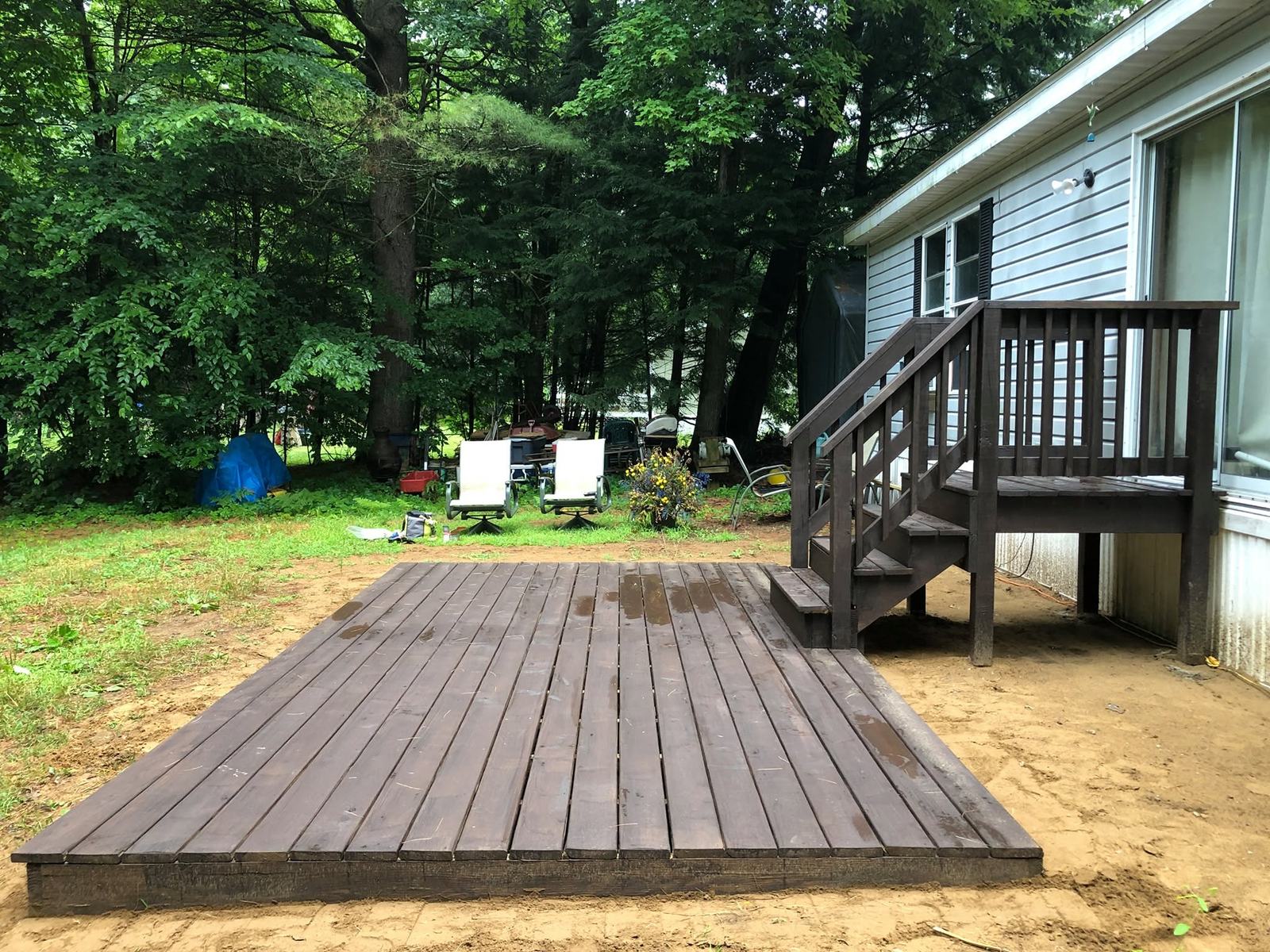
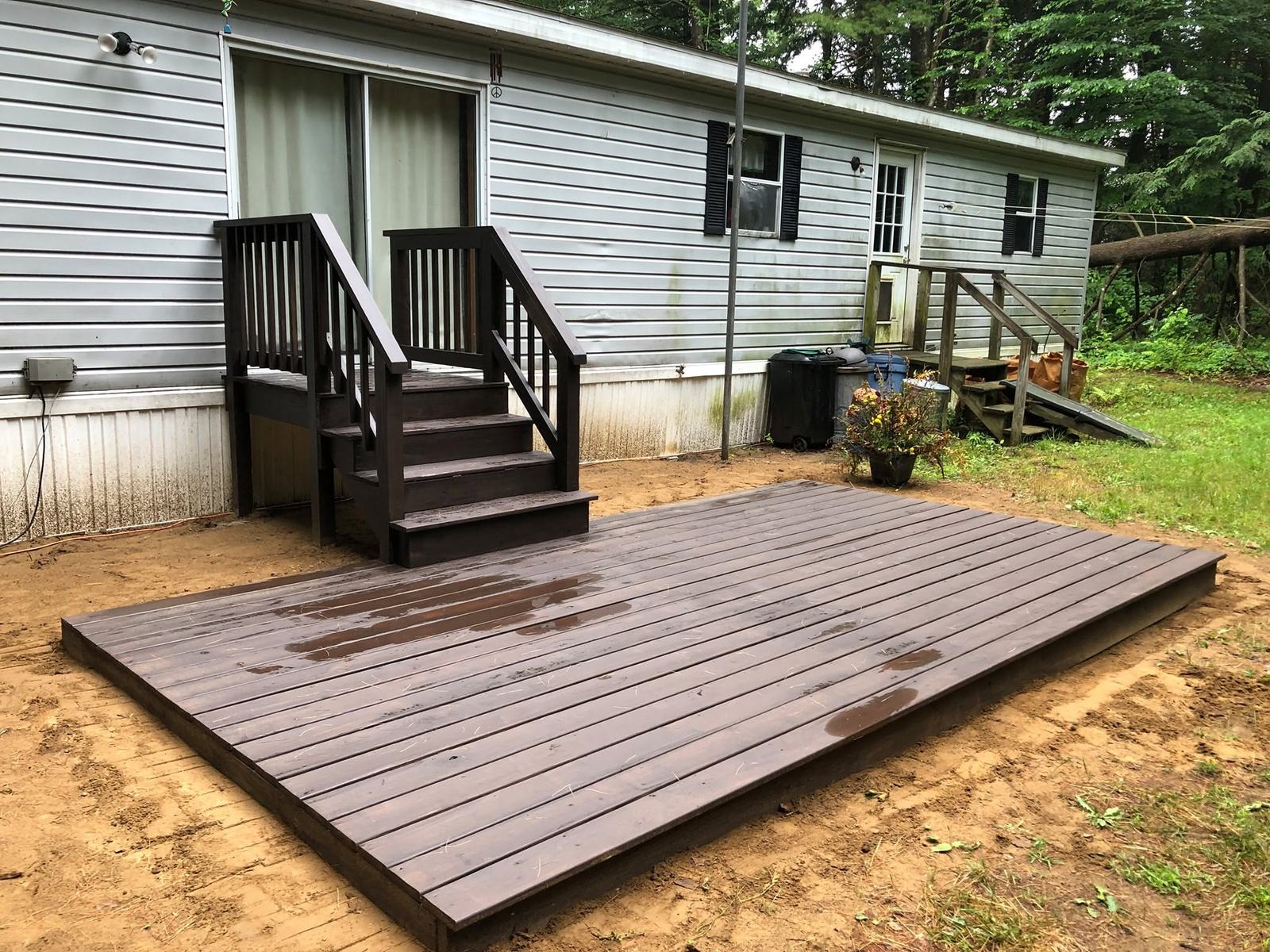
- Finish any stain or sealer in September. If your deck boards are gray and absorb water quickly, read our guide on how often to stain a deck in upstate NY and plan the work while the weather allows.
- Clear leaves and debris from deck boards and gaps between them, since wet leaves left under snow stain and soften wood.
Outdoor steps also deserve a close look before freeze-thaw cycles start. Cracks and loose treads in fall tend to get worse by spring. Our post on outdoor steps and freeze-thaw damage covers both concrete and wood steps.
Gutters, downspouts and drainage
Gutters full of leaves overflow in fall rains and freeze solid in winter, which adds weight to the fascia and feeds ice dams.
- Clean gutters after most leaves have fallen, and flush downspouts to make sure they run freely.
- Check that gutters are firmly attached and slope toward the downspouts.
- Make sure each downspout discharges several feet from the foundation, using an extension or splash block.
- Look along the soil beside the foundation. It should slope away from the house, not toward it.
If you see peeling paint or soft wood along the fascia behind the gutters, that is worth addressing before winter. Our post on soffit and fascia rot explains the warning signs. If your roof is steep or high, have a professional handle the gutters; ladder work on a two-story house is not worth the risk.
Trim, windows and siding
Small gaps let in water that freezes, expands and widens the gap further. September is the time to close them.
- Walk the house and look for cracked caulk at window and door trim, corner boards and where siding meets trim.
- Probe window sills, especially on the south and west sides and anywhere a gutter overflows. A sill that is soft under a screwdriver needs repair before winter.
- Touch up peeling paint on trim so bare wood is not exposed all winter.
- Check that storm windows are in place and their weep holes are clear.
If your house was built before 1978, test old paint for lead before scraping or sanding.
Water, roof and cellar
- Shut off and drain outdoor faucets and disconnect hoses. A hose left attached can trap water in the faucet and cause it to freeze and split, even on frost-free types.
- Look at the roof from the ground with binoculars for missing or lifted shingles, damaged flashing around the chimney and vents, and sagging gutters. Leave repairs on the roof itself to a roofer.
- Check the bulkhead or cellar door. Doors that won't latch or leak around the frame will be worse with snow on them. See our post on bulkhead door replacement signs.
- Seal gaps where pipes and wires enter the house to keep out cold air and mice looking for winter shelter.
Inside the house
A handful of inside tasks round out the list. Each of these involves fuel, flue gases or electricity, so hire a qualified professional where noted.
- Have the furnace or boiler serviced by a licensed heating technician.
- Have chimneys and wood stove flues inspected and cleaned by a chimney professional before the first fire.
- Test smoke and carbon monoxide alarms and replace batteries.
- Clean the dryer vent from the dryer to the outside wall.
- Locate your main water shutoff and make sure everyone in the house knows where it is.
Getting ready for snow
- Mark the edges of driveways and walks with stakes so plows and snowblowers stay off lawns and step edges.
- Move planters, furniture and grills off the deck or to spots where snow can be cleared.
- Use a plastic shovel on decks and steps, and use de-icer that is safe for the surface. Salt can damage concrete, some decking and nearby plants.
- Trim branches that hang over the roof or could fall on the house under ice.
For a full year of tasks, including spring and summer, our home maintenance schedule for upstate NY puts everything in one place.
Frequently asked questions
What is the most important fall maintenance task?
Managing water. Clean gutters, make sure downspouts discharge away from the foundation, and seal gaps in trim and siding. Most winter damage in Saratoga County homes starts with water that freezes where it should not.
Is it too late to stain a deck in October?
It can be. Most stains need the air and the wood to stay above a minimum temperature for a day or more after application. Check the product label and the forecast. If nights are dropping near freezing, it is usually better to wait until late spring.
When should I clean my gutters in the fall?
After most of the leaves from nearby trees have dropped, which in Saratoga County is often late October or early November. If you have many trees, a second cleaning may be needed before the first hard freeze.
Should I cover my deck for the winter?
Covering a deck with tarps usually traps moisture and does more harm than good. Clear leaves, move furniture off, and shovel heavy snow with a plastic shovel instead.
We repair decks, steps and railings and rebuild them when repair no longer makes sense, through our decks and stairs work. Each project begins with a site visit and a written scope of work by phase, with the price and payment schedule tied to each phase.