Aging in place in Saratoga County: where to start
How families in Saratoga County can plan home changes for aging in place, which rooms matter most, and who to bring in first.
Aging in place means staying in your own home safely and comfortably as your needs change. For most families in Saratoga County, the work comes down to three places: the way into the house, the stairs inside it, and the bathroom. A good plan starts with an honest assessment of how the person actually moves through the house, then makes changes in order of risk, before a fall forces the decision.
Why planning ahead matters
Most home changes for aging in place are easier, calmer and better looking when they are planned rather than rushed. After a hospital stay, families often have days to make a house workable. That usually means a rented bench, a temporary rail and a ramp nobody likes. Planned a year or two earlier, the same needs can be met with a properly anchored handrail, a shower that was designed to be stepped into, and an entry that blends with the house.
Planning also lets you spread work out. Some changes are small and can happen this season. Others, like a first-floor bathroom or a new entry, take design time, permits and a building season, which in the Capital Region is shorter than anyone would like.
Start with an assessment
Before choosing products, look at how the person lives in the house day to day. Walk the route they take each morning: bed to bathroom, bathroom to kitchen, kitchen to the door they actually use. Note every step, threshold, dark corner and place where they reach for a wall or a piece of furniture to steady themselves.
An occupational therapist (OT) is the best person to assess the person, not just the house. An OT looks at balance, strength, vision, reach and how someone gets in and out of a tub or off a toilet, and recommends specific changes. A doctor can refer you for a home safety evaluation, and many families find it the single most useful hour of the whole process. A contractor then turns those recommendations into a buildable plan for that particular house. Our home safety checklist for aging parents is a good way to prepare for that visit.
The changes that matter most
The way in
The entry is where many homes in Saratoga County fail first. Older village houses in Saratoga Springs and Ballston Spa often have a tall front porch and steep steps. Newer homes in Malta, Wilton and Clifton Park may have a garage entry with two or three steps up to the kitchen. Snow, ice and salt make any of these harder in winter.
Options range from adding rails on both sides of existing steps, to rebuilding steps with lower risers and deeper treads, to a ramp. We compare them in wheelchair ramp vs steps.
Stairs and handrails
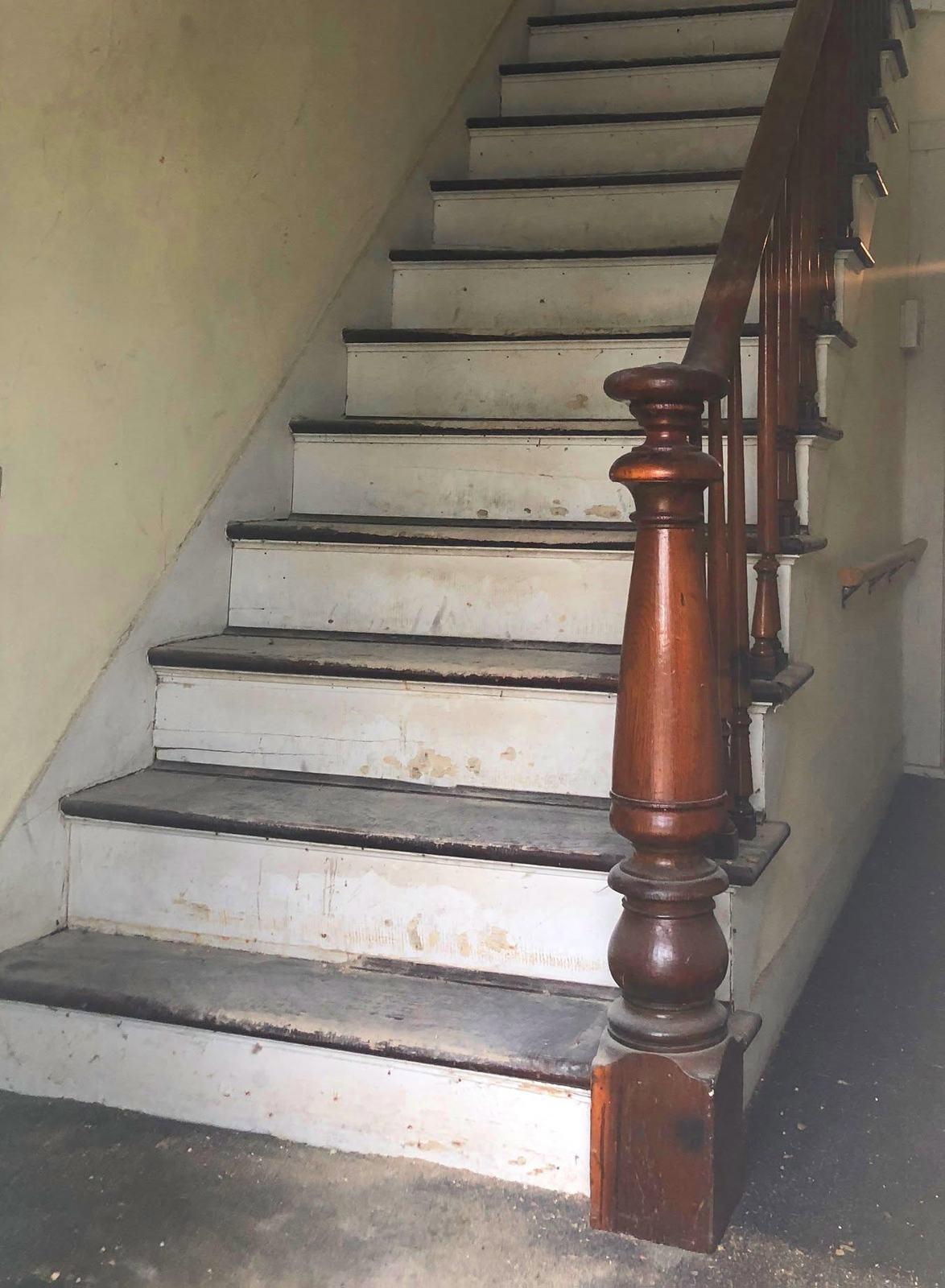
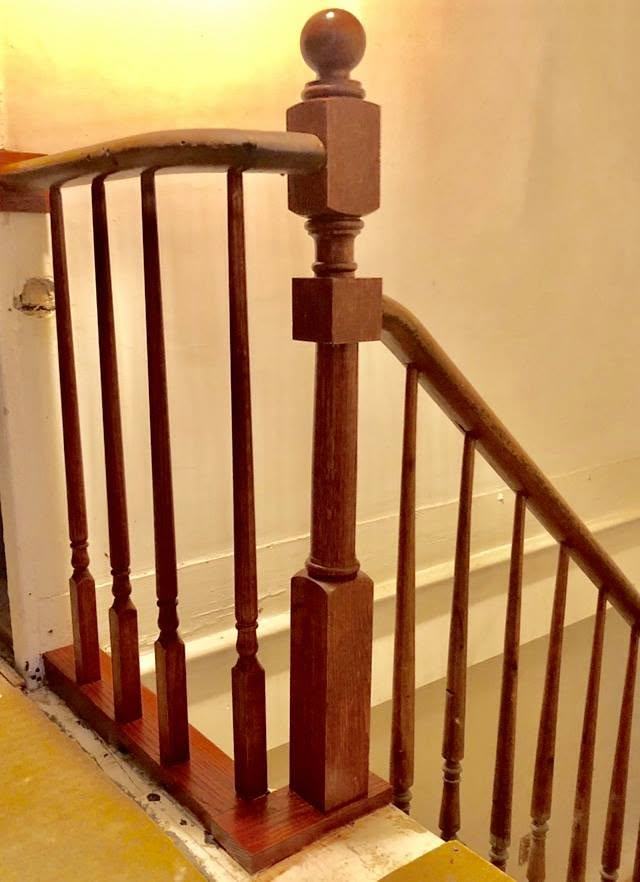
Inside, the stair is the biggest fall risk in most two-story homes. The New York State Residential Code requires a handrail on stairs with four or more risers, mounted 34 to 38 inches above the stair nosing, but for aging in place a rail on both sides is far better. A person can then hold a rail with their stronger hand going up and coming down. Good lighting with switches at the top and bottom matters as much as the rail. See when stairs need a handrail for the details.
The bathroom
Bathrooms combine hard surfaces, water and the need to sit, stand and turn. The common changes are:
- Grab bars at the toilet, in the shower and at the tub, anchored into blocking or studs.
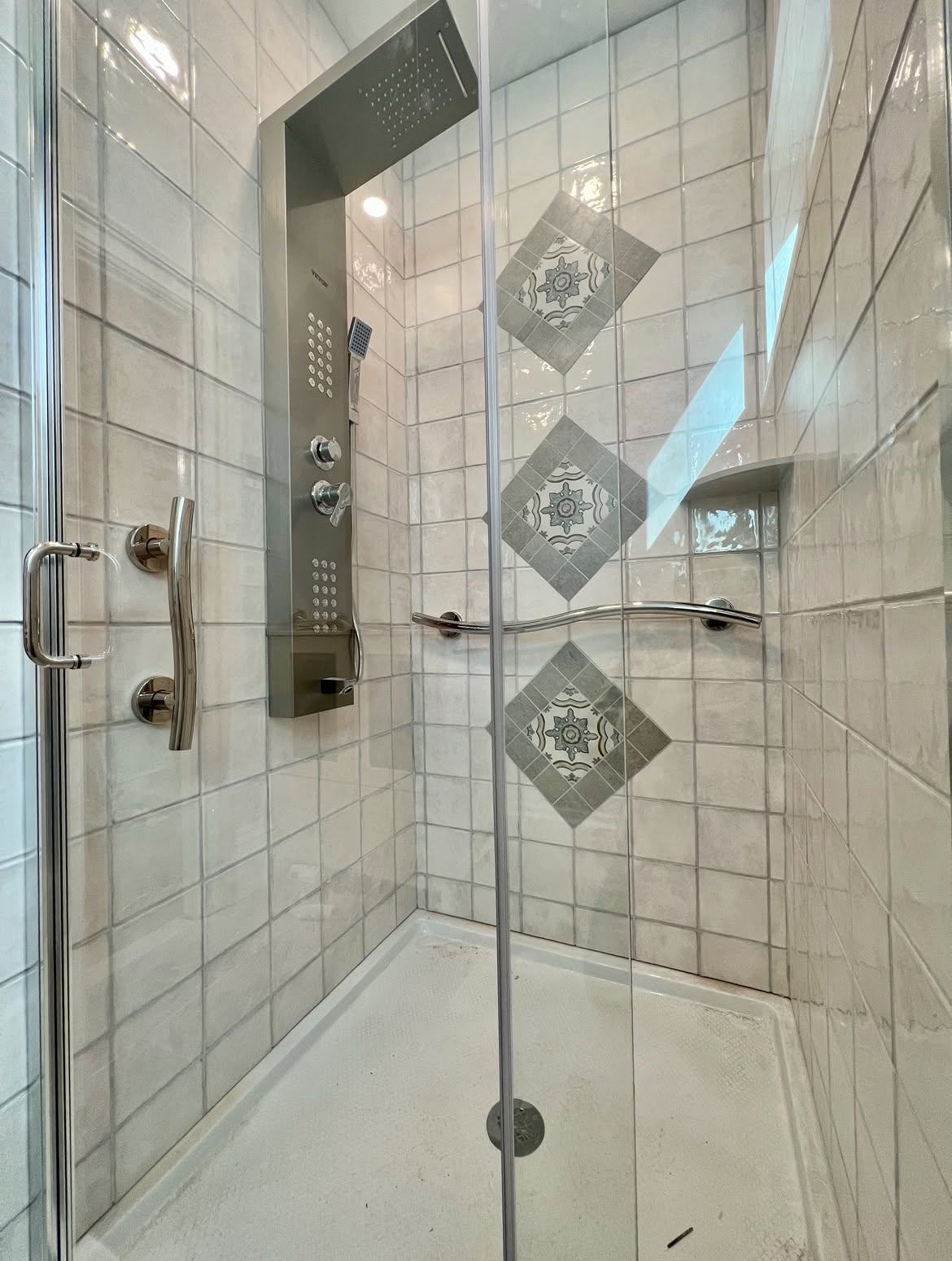
- A walk-in or low-threshold shower in place of a tub. See tub to walk-in shower conversion.
- A comfort-height toilet, usually 17 to 19 inches to the seat.
- A handheld shower on a slide bar and a fold-down or built-in seat.
- Slip-resistant flooring and lever faucet handles.
Doorways and living on one floor
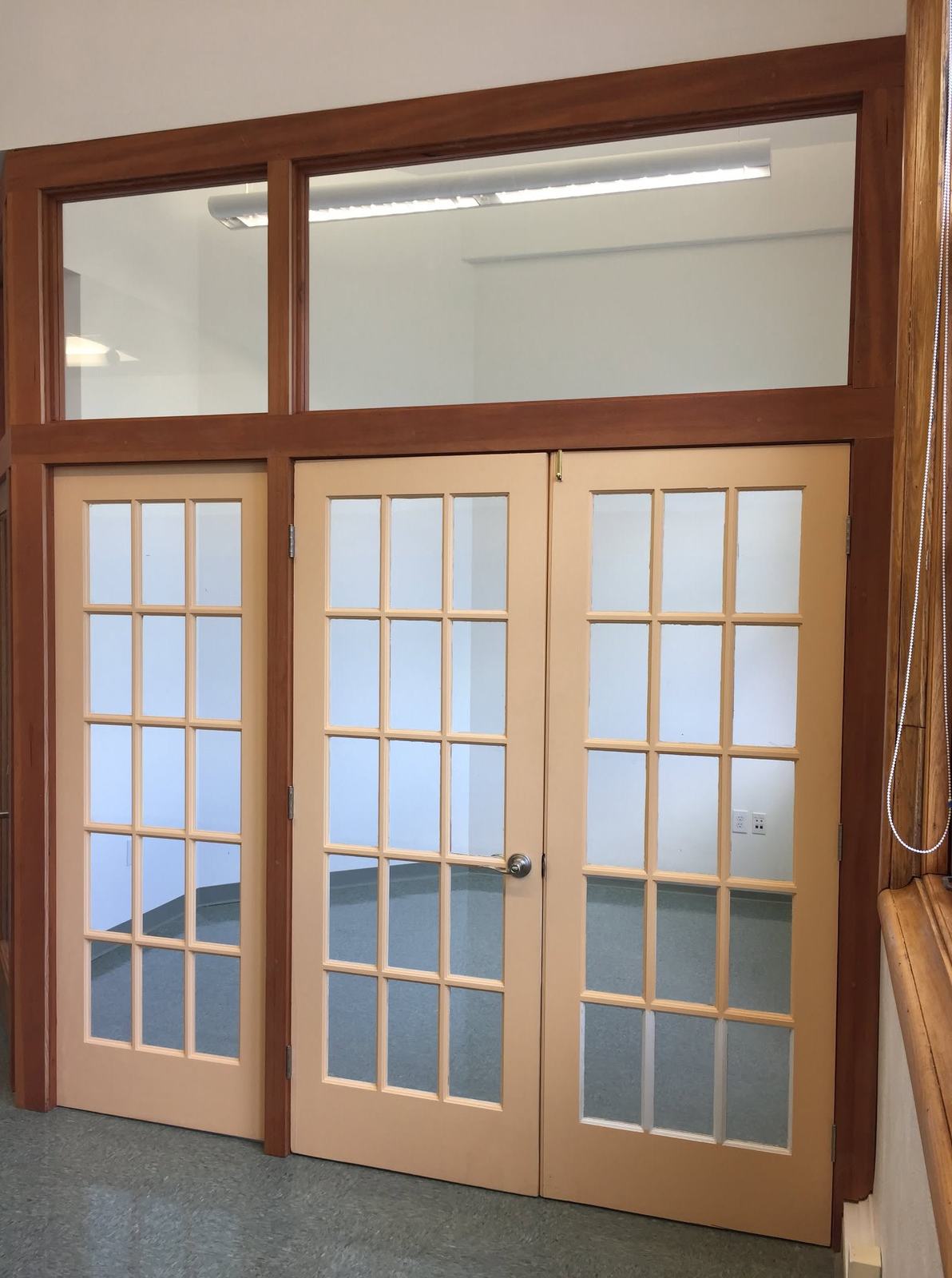
Walkers and wheelchairs need wider doors and clear floor space to turn. A 32-inch clear opening is the common minimum, and a 60-inch circle of open floor lets a wheelchair turn around. If the stairs are becoming a daily problem, a bedroom and full bath on the first floor may be the long-term answer.
Doing it in the right order
A sensible sequence for most homes:
- Remove trip hazards, add lighting and night lights, and put a second rail on the stairs.
- Add grab bars and a handheld shower.
- Make the main entry safe year-round.
- Rework the bathroom for a walk-in or curbless shower.
- Widen doors and plan for first-floor living if needed.
Steps one and two can often happen quickly. Later steps need design, and sometimes a building permit; check with your town or city building department. If you are pricing the larger items, ask for a written scope with each phase priced so you can compare proposals on equal terms.
What drives the cost
We don't publish prices, because the same request can mean very different work from one house to the next. The main drivers are what is behind the walls (blocking for grab bars is simple during a remodel and more work afterward), whether plumbing has to move, floor framing under a curbless shower, the height of the entry above grade, and whether a project needs a permit. Funding help exists for some families; see home modification grants in Saratoga County.
Frequently asked questions
When should we start planning to age in place?
Ideally before anyone needs the changes. Many families start when they remodel a bathroom for other reasons, because adding blocking, a wider door or a low-threshold shower then is far simpler than doing it later.
Do we need an occupational therapist?
It is not required, but it helps. An OT assesses the person's abilities and recommends changes that fit them, which keeps you from spending on the wrong things. Ask the person's doctor about a home safety evaluation.
Will aging-in-place changes make the house look institutional?
They don't have to. Grab bars come in finishes that match faucets, ramps can be built of the same materials as the porch, and a curbless shower is simply a good-looking modern shower.
Is a permit needed?
Grab bars and handrails usually are not. Moving plumbing, structural changes, new entries and additions usually are. Check with your town or city building department.
Our Safe at Home service, for assessments, stair rails, grab bars and accessible bathrooms in Saratoga County, is in preparation. You can read what it will include and join the waiting list on the Safe at Home page.