What to inspect around your house after a Capital Region winter
A room-by-room and yard-by-yard walk-around for the first dry weekend of spring, with what each kind of winter damage looks like and how urgent it is.
A spring home inspection after winter should focus on what ice, snow and freeze-thaw cycles leave behind, such as shingles lifted by wind, ceiling stains from ice dams, gutters bent under ice, steps and deck posts pushed up by frost, and concrete flaking from salt. The best time to look is the first dry weekend after the snow is gone, before spring rains add new problems. Much of the damage you find in April started small in January, and catching it now usually means a repair rather than a replacement.
How winter damages a house here
Capital Region winters cycle above and below freezing many times. Each cycle lets water seep into cracks, then expands it as ice. Soil that freezes can heave upward and settle again unevenly when it thaws. Snow that melts on a warm roof and refreezes at the cold eaves forms ice dams. Road salt and de-icers chew at concrete and metal. Plows and snowblowers scrape whatever sits along the driveway.
None of this is unusual, which is why a yearly spring walk-around is worth the time. Bring a notebook, a flashlight, a screwdriver and binoculars.
Roof, gutters and the eaves
Start at the top and work down, staying on the ground.
- Shingles. Use binoculars to look for missing, curled or lifted shingles, especially along ridges and edges, and exposed nail heads.
- Flashing. Check around chimneys, vents and where roofs meet walls for bent or lifted metal.
- Gutters. Ice can bend gutters, pull hangers loose and separate seams. Look for sagging sections and gutters pulling away from the fascia.
- Fascia and soffits. Peeling paint or dark stains on the fascia behind the gutter often mean water has been getting behind it. Our post on soffit and fascia repair describes the next steps.
Any roof repair should be handled by a roofer. Walking a roof in spring, when shingles may be wet and slippery, is a real fall risk.
Signs of ice dam damage inside
Ice dams often leave their mark inside the house after the snow is gone. Look along exterior walls and ceilings on the top floor, especially below the eaves.
- Brown or yellow stains on ceilings or high on walls
- Peeling or bubbling paint near the ceiling line
- Damp or compressed insulation if you can see into the attic
- Swollen or stained window trim on upper floors
Stains that appeared over the winter are worth investigating even if they are now dry, since wet insulation and framing may stay damp long after the surface looks fine. Our guide on ice dam damage repair explains how to trace the source and what repairs usually involve. If you find a moldy smell or visible mold on drywall or framing, call a professional.
Frost-heaved steps, walks and deck posts
Frost heave is one of the most common spring discoveries in this region. Watch for:
- Steps that have tipped, separated from the house or developed a new gap at the top
- Walkway slabs that are uneven, creating a trip edge
- Deck posts or footings that have lifted, leaving the deck out of level or a stair landing tilted
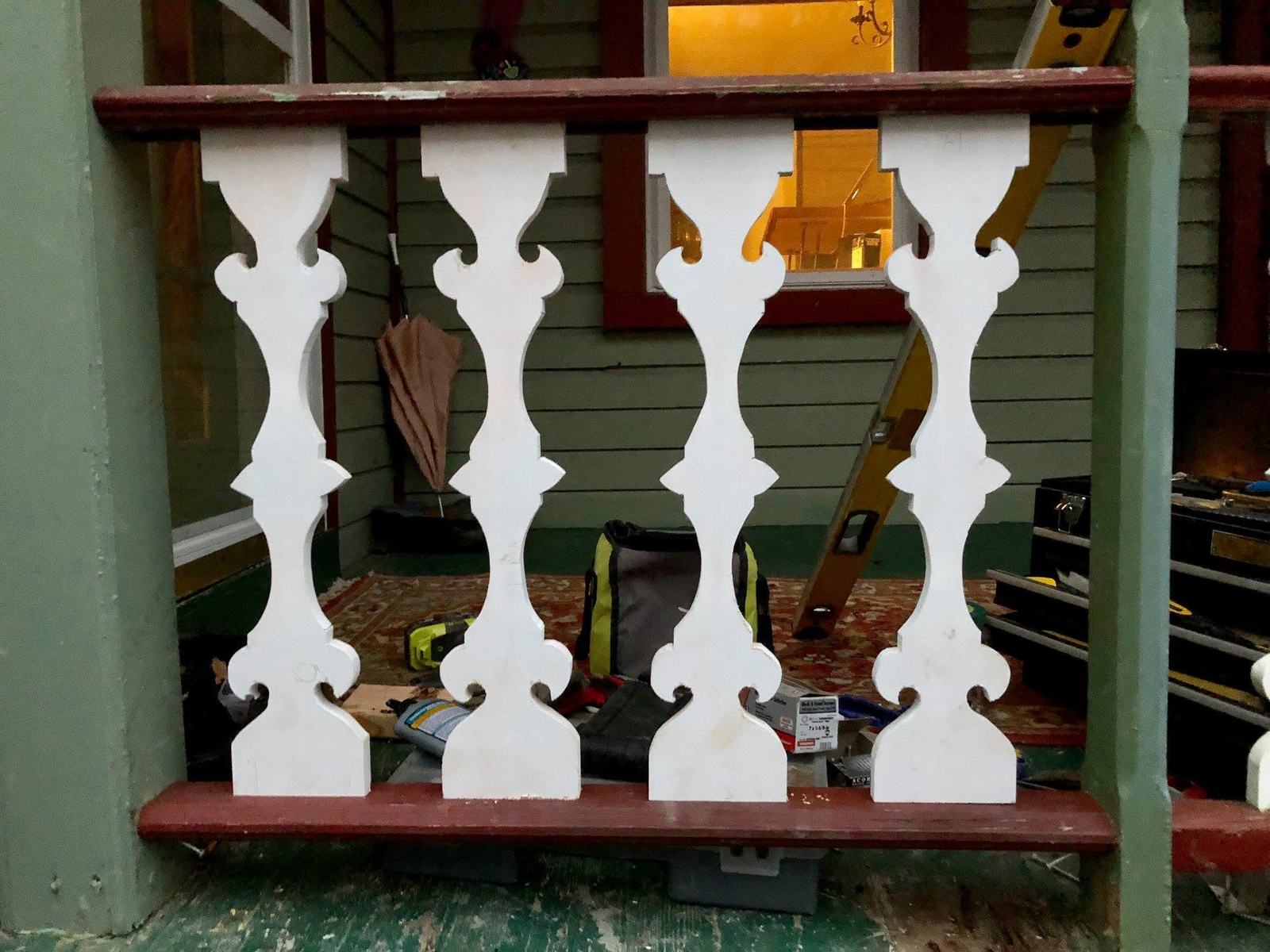
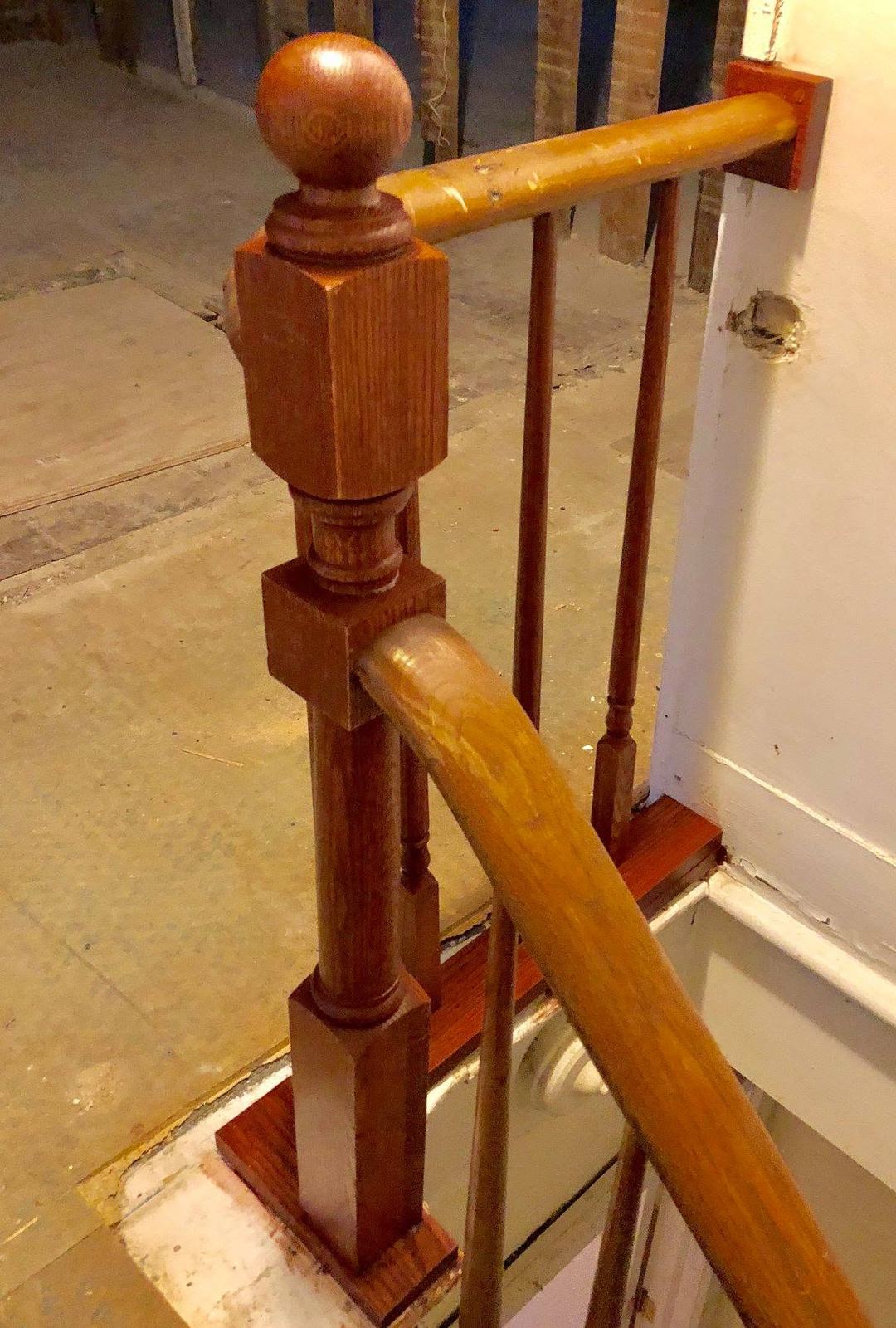
- Railings that were solid in fall and now lean or wobble
Some heave settles back as the ground thaws. Movement that remains after the soil dries out, or that gets worse each year, usually means the step or footing was not built below frost depth or water is collecting underneath it. Our post on concrete and wood step repair goes through the repair options.
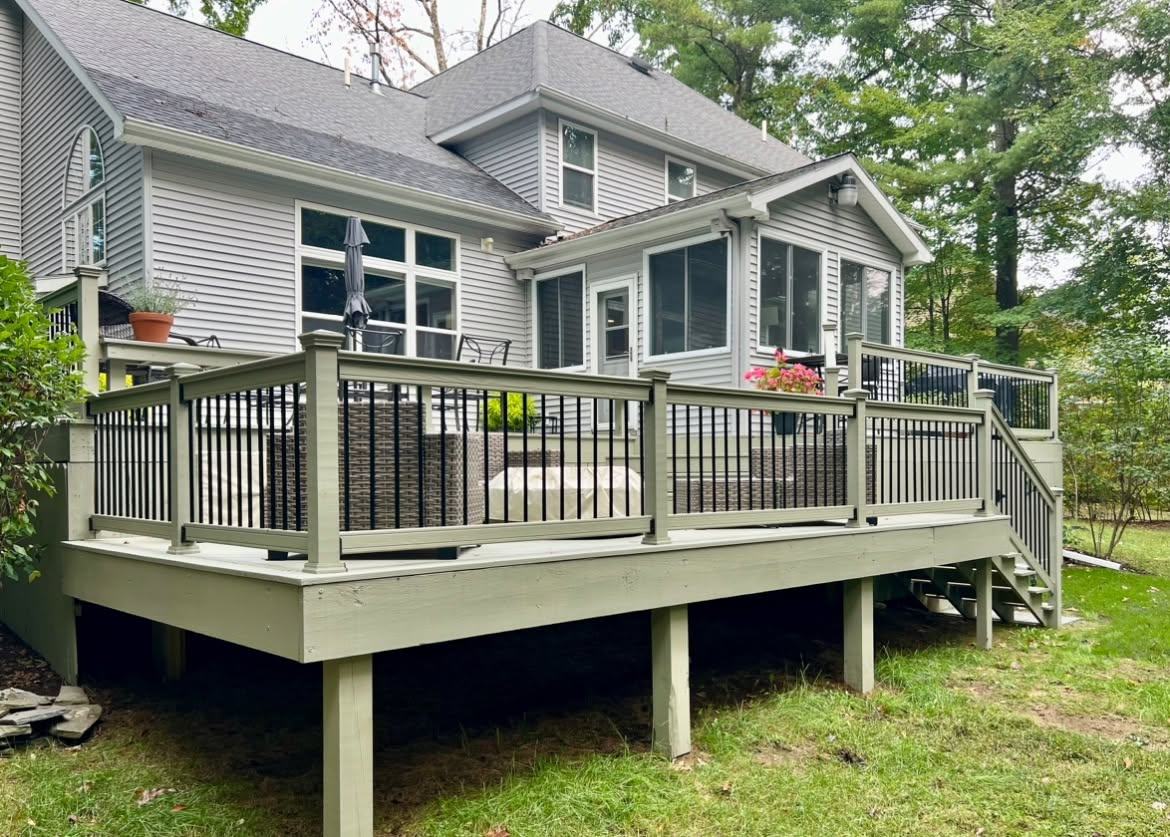
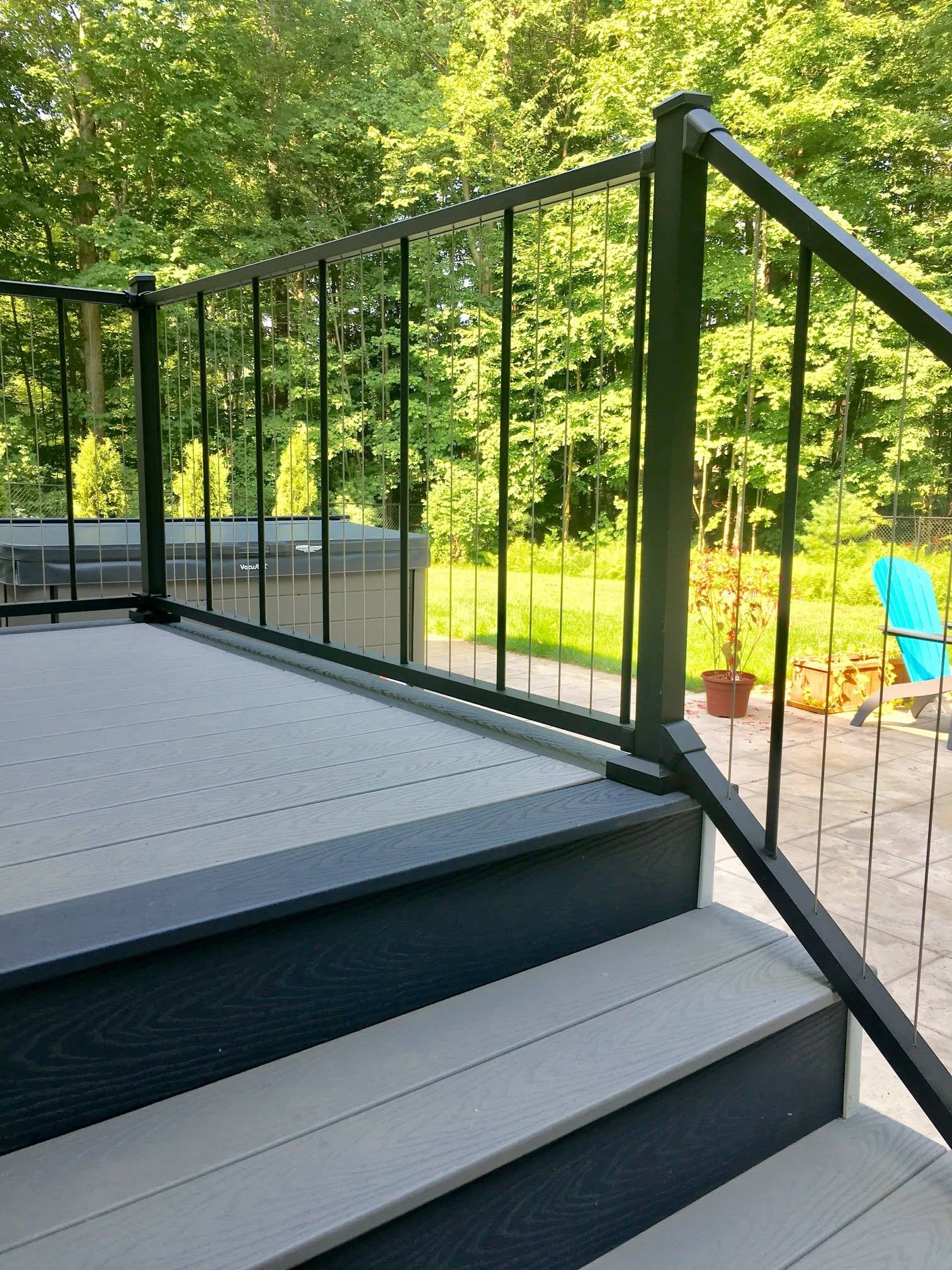
On decks, check stairs and railings carefully, since a heaved post can loosen everything attached to it. If boards are soft, posts are rotted or the structure has moved, our post on signs your deck needs to be replaced can help you judge whether repair still makes sense.
Concrete, masonry and salt
- Spalling. Flaking or pitting on concrete steps, walks and the garage floor often comes from salt and freeze-thaw. Small patches can be repaired, while widespread spalling may mean resurfacing or replacing.
- Foundation cracks. Hairline cracks in a poured foundation are common. Cracks that are wider than a pencil line, run in a stair-step pattern through block or masonry, or show one side pushed out from the other should be looked at by a structural engineer.
- Chimney. Look for missing mortar, loose bricks or a cracked cap. Leave chimney repair to a mason.
Switching to a gentler de-icer next winter, or using sand on steps, reduces salt damage over time.
Siding, trim and windows
Walk the house slowly and look at:
- Siding and trim scraped by snowblowers, plows or shovels
- Cracked or missing caulk at windows, doors and corners
- Window sills that feel soft when probed
- Paint that peeled over the winter, exposing bare wood
Trim and sill repairs, and the painting that protects them, are best scheduled for late spring once the wood has dried and temperatures stay steady.
Water and the basement
Spring melt is when many basements take on water.
- Check the basement after rain and snowmelt for damp walls, puddles or efflorescence, the white mineral deposits left by water seeping through masonry.
- Test the sump pump, if you have one, by pouring water into the pit.
- Confirm downspouts are connected and discharging away from the house. Extensions are easy to knock loose during snow clearing.
- Look at the soil around the foundation. Settled spots that slope toward the house should be regraded.
- Turn outdoor water back on and check faucets and hoses for leaks once nights stay above freezing.
Planning the repairs
Sort what you find into three groups.
| Group | Examples | Timing |
|---|---|---|
| Safety | Loose railings, heaved steps, wobbly deck stairs | Fix right away |
| Water | Gutter damage, failed flashing, ceiling stains, foundation seepage | Fix before heavy spring rains |
| Cosmetic | Peeling paint, scraped siding, minor spalling | Schedule for summer |
Spring is also when contractors' calendars fill quickly, so it helps to get larger projects on the list early. If you are thinking about replacing a deck, our post on the best time to build a deck in the Capital Region covers scheduling.
Frequently asked questions
When should I do a spring home inspection in upstate New York?
Once the snow has melted and the ground has started to dry, usually from late March into April. Look at the roof, gutters and steps first, then check inside for ceiling stains and basement water after the first heavy rain.
Will frost-heaved steps settle back down on their own?
Sometimes they settle partway as the ground thaws, but they rarely return exactly to where they were. Steps that move every winter usually need a repair to the footing or drainage beneath them.
How do I know if a ceiling stain is from an ice dam?
Ice dam stains usually appear on top-floor ceilings or walls near the outside edge of the house, below the eaves, and show up during or just after a period of heavy snow and thaw. A roof leak elsewhere, or a plumbing leak, tends to appear in other places.
We repair and rebuild decks, steps and railings damaged by winter through our decks and stairs work, and we work across the Capital Region. After a site visit, you receive a written scope of work by phase with the price tied to each phase.