How to prepare for a contractor's site visit
A short checklist for the first walkthrough with a remodeling contractor: photos, measurements, priorities, budget thinking and the questions worth asking.
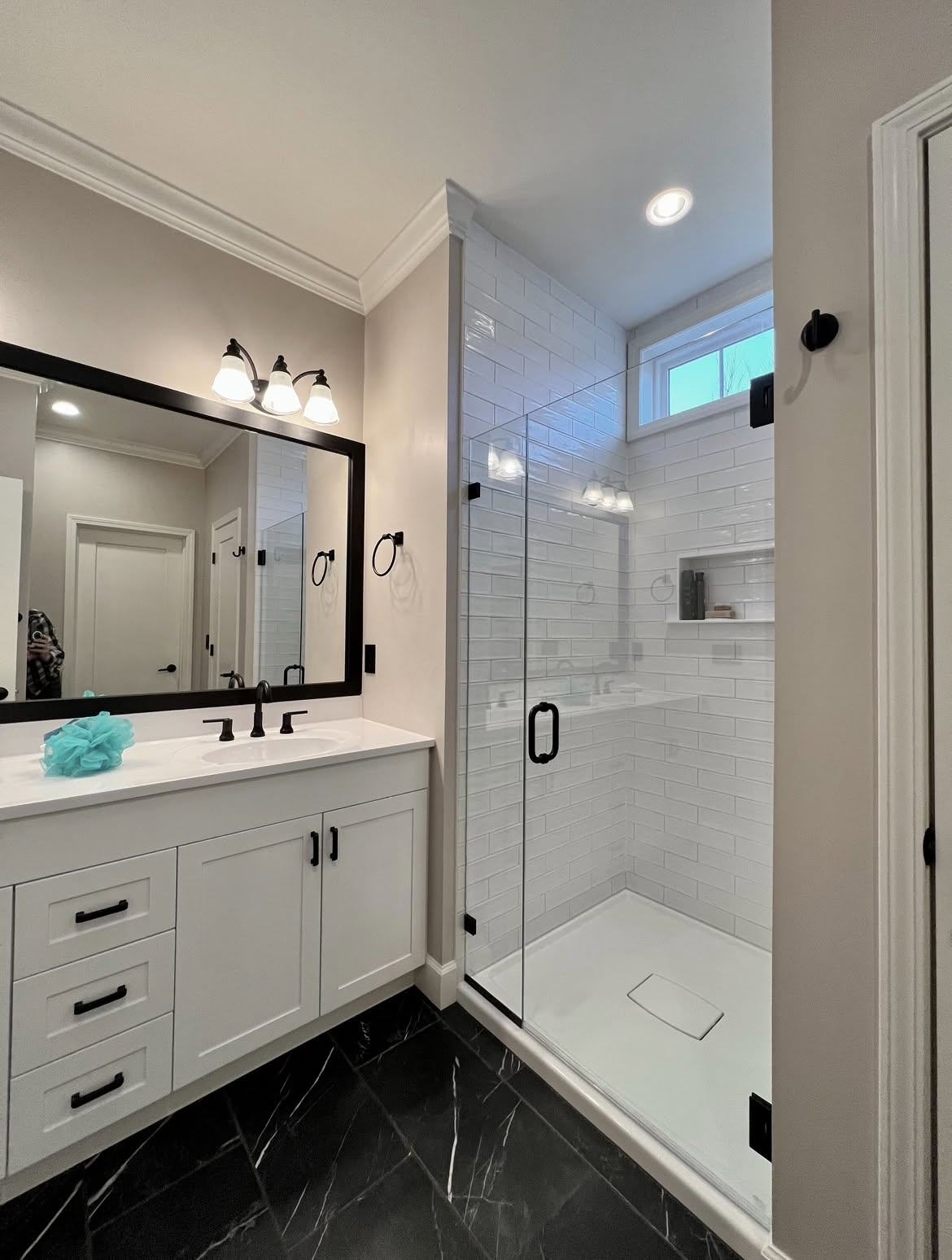
The best way to prepare for a contractor's site visit is to know what problem you want solved, gather a few examples of what you like, think about your budget and timing, and make the areas involved easy to see. Have the house's age, any past repairs, and known problems such as leaks written down. A well-prepared first visit gives the contractor what they need to write an accurate scope and price, and it gives you a chance to judge whether this is someone you want working in your home. Across Saratoga County, a few minutes of preparation saves weeks of back-and-forth later.
Why the visit matters
A remodeling price is only as good as the information behind it. A contractor who has not seen the house can only guess at the condition of the subfloor, the age of the wiring, the slope of the floor, or how far the plumbing has to run. The site visit is where those guesses become measurements and observations. It is also where you find out how the contractor listens, what questions they ask, and whether they explain things clearly.
Before the visit: what to gather
Your goals, in plain words
Write a few sentences about what you want to change and why. "The shower leaks and the vanity is falling apart" is a useful start. So is "We want the bathroom to be easier to use as we get older" or "There isn't enough counter space for two people to cook." The reason behind a project shapes the design more than a list of features.
Must-haves and nice-to-haves
Separate what the project must include from what you would like if budget allows. A walk-in shower might be a must-have; heated floors might be a nice-to-have. This helps the contractor suggest phasing or alternatives.
Examples of what you like
Photos from magazines, websites or friends' homes are more useful than descriptions. Note what you like about each one, whether it is the tile, the color, the layout or the lighting. Examples of what you do not like are useful too.
The house's history
- The approximate age of the house
- Past renovations and roughly when they were done
- Known problems: leaks, soft floors, drafts, ice dams, cracking
- Whether the house is in a historic district
- Any plans, surveys or past permits you have
In older Capital Region houses, knowing when a bathroom was last opened up, or whether a ceiling has been patched before, tells the contractor where to look closely.
Budget and timing
You do not have to share an exact number, but it helps to have a range in mind and to say whether the budget is fixed or flexible. Mention any deadline that matters, such as a family event, a baby due, or a planned sale. Timing also affects outdoor work: decks and exterior projects in this region depend on the building season, so they are best discussed months ahead.
On the day: make the space easy to see
- Clear access to the rooms involved, including under sinks and inside vanities.
- Make the basement or crawlspace below the project accessible, since that is where the framing, plumbing and wiring often can be seen.
- Know where the electrical panel and main water shutoff are.
- Have everyone who will make decisions present, so questions can be answered once.
- Set aside enough time; a careful walkthrough of a kitchen or bathroom often takes an hour or more.
What a good contractor will do
On a useful site visit, the contractor should:
- Ask about your goals and how you use the space
- Measure the rooms and note existing conditions
- Look below and around the project area, not just at the room itself
- Point out problems you may not have noticed, such as signs of water damage
- Explain what happens next and roughly how long it will take to receive a written estimate
What should follow is a written scope of work, not just a number. Our post on what a remodeling estimate should include explains what to look for when it arrives.
Questions worth asking
- How would you approach this project, and in what order?
- What could change the price once work starts?
- How do you handle changes during the project?
- How is the payment schedule structured?
- Who will be my point of contact during the work?
- Does this need a permit, and who handles it?
- Can you provide certificates of insurance?
If the project involves both design and construction, it is also worth understanding the difference between design-build and hiring an architect and contractor separately.
If you have more than one project in mind
Many homeowners have a list, perhaps a bathroom, the kitchen and a deck. Mention everything during the visit, even if you plan to do only one project now. It helps the contractor suggest a sensible order and avoid work that would have to be undone later. Our post on whether to remodel the kitchen or bathroom first covers how to think about sequence.
Frequently asked questions
How long does a contractor site visit take?
For a single room, such as a bathroom, plan on about an hour. Larger projects, or houses where the contractor needs to look in the basement and attic, can take longer. Rushing the visit usually means a less accurate estimate.
Should I tell the contractor my budget?
Sharing a range helps. It lets the contractor suggest a scope and materials that fit, rather than designing something you will not build. You can still compare estimates from different contractors on the same scope.
What if I'm not sure what I want yet?
That is common, and a site visit is a good place to start. Bring your goals and the problems you want solved, and the contractor can suggest options. Our Saratoga Springs bathroom remodel guide is a useful starting point if a bathroom is on your list.
For bathrooms and every other project we take on in Saratoga County, we visit the site first, then provide a written scope of work organized by phase, with the price and a payment schedule tied to each phase.