How often should you recaulk a tub or shower?
The usual interval for bathroom caulk, the signs it has failed, the difference between caulk and grout, and what it means when new caulk keeps cracking.
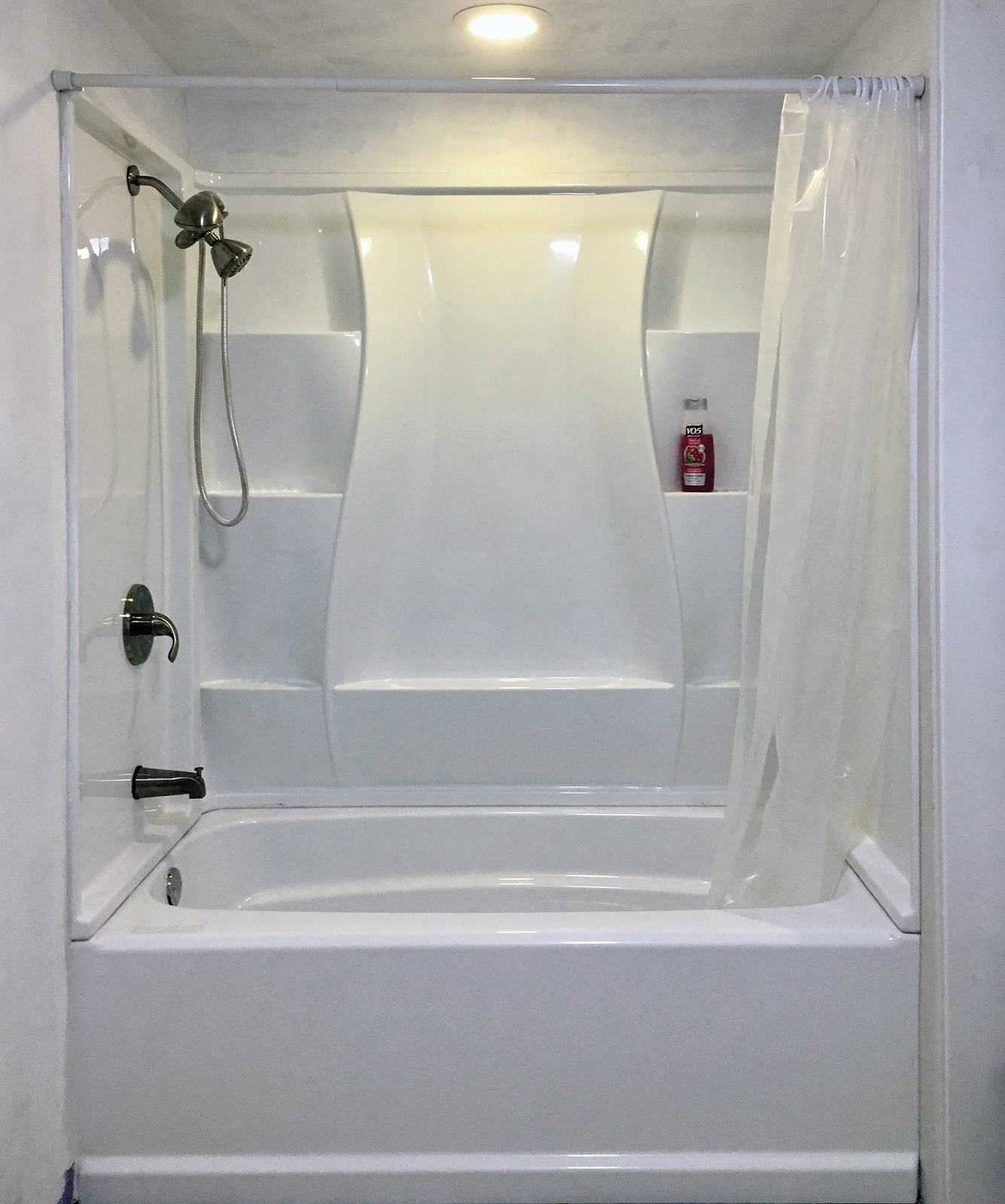
Most tubs and showers need to be recaulked every one to two years, and sooner if the caulk shows mold that will not wash off, cracks, gaps or peeling edges. Caulk is the flexible seal at the joints where the tub meets the tile, at inside corners and around fixtures, and it wears out much faster than the tile and grout around it. Replacing it on time is one of the simplest ways to keep water out of the walls and floor.
What caulk does, and where it belongs
Grout and caulk look similar but have different jobs. Grout fills the narrow joints between tiles on a flat surface. It is rigid. Caulk goes where two surfaces meet at an angle or where two different materials meet, because those joints move. A tub flexes slightly when it fills with water and someone steps in. Walls and floors expand and contract with the seasons. A rigid grout line in those spots cracks; a flexible caulk bead stretches.
The joints that should be caulked, not grouted, include:
- Where the tub or shower pan meets the wall tile.
- Vertical inside corners where two tiled walls meet.
- Where tile meets a window sill or a change of material.
- Around the spout, valve trim and showerhead escutcheons (follow the fixture manufacturer's guidance).
- Along the edges of a glass door frame or fixed panel.
If those joints were grouted when the shower was built, the grout often cracks within a few years. Replacing it with caulk usually solves the problem.
Signs your caulk has failed
Look closely along every caulked joint, especially the bottom corners and the horizontal line where the tub meets the wall.
- Black or pink spots that do not scrub off. Mold growing on the surface can often be cleaned. Mold that has grown under or into the caulk cannot, and the caulk needs to come out.
- Gaps or separation. If you can slip a fingernail between the caulk and the tub or tile, water can get behind it.
- Cracks or shrinking. Old caulk dries out and cracks along its length.
- Peeling edges. Caulk lifting from the surface no longer seals.
- Discoloration. Yellowing or a dirty look that does not clean up usually means the caulk is aging.
Busy family showers tend to need fresh caulk closer to the one-year mark. A guest bath that sees occasional use can go longer. A bathroom without good ventilation will grow mold on caulk faster no matter how often it is replaced; see our guide to bathroom fan mold prevention.
Choosing the right caulk
Use a caulk labeled for kitchens and baths, with a mildew-resistant formula.
| Type | Strengths | Tradeoffs |
|---|---|---|
| 100% silicone | Very flexible, long-lasting, highly water resistant | Cannot be painted; harder to tool neatly; new caulk will not stick to silicone residue |
| Siliconized acrylic (latex) | Easier to apply and clean up; paintable | Generally shorter life in wet areas |
| Hybrid or polymer formulas | Combine some benefits of both | Check the label for tub and shower use |
For the tub-to-tile joint and shower corners, a 100% silicone kitchen and bath caulk is a common choice because those joints see the most water and movement. Whatever you use, match the color to the grout or tub, and check the cure time on the tube before using the shower again.
How to recaulk properly
Recaulking is a manageable homeowner job if you are patient with the prep. The steps that matter most:
- Remove all the old caulk. Do not caulk over old caulk. Use a plastic scraper or a utility knife held at a low angle, being careful not to scratch an acrylic or fiberglass tub. A caulk remover product can soften stubborn silicone.
- Clean off the residue and any mold. Silicone leaves a film that new caulk will not bond to. Clean with rubbing alcohol or a product made for the purpose, and treat any mildew stains.
- Let the joint dry completely. Moisture trapped under fresh caulk leads to mold and poor adhesion. Many people leave the bathroom unused overnight with the fan running.
- Fill the tub with water before caulking a tub joint. The weight of the water lowers the tub slightly, so the caulk is applied at the joint's widest point and is not stretched the first time someone gets in.
- Apply a continuous bead and tool it. Painter's tape on both sides of the joint helps keep the line neat. Smooth the bead with a tool or a wet fingertip, then pull the tape before the caulk skins over.
- Let it cure fully. Wait the full time on the label before using the shower, often around a day.
When new caulk keeps failing
If fresh caulk cracks or pulls away within a few months, something is moving more than it should or water is getting behind the joint. Common causes include a tub that was not set in a bed of mortar or foam and flexes under weight, a subfloor that has softened from a past leak, or tile that has loosened because the wall behind it is wet. A joint that leaks no matter what you do is often a symptom, not the problem.
Watch for loose tiles, a soft spot in the wall, stains on the ceiling below, or a musty smell. Our post on the signs of a leaking shower behind tile explains how to tell a surface problem from a hidden one. Grout needs its own attention too; see how often to seal grout for that schedule.
In older Saratoga Springs houses we often find tubs that have been recaulked many times over decades, with layer on layer of caulk hiding a gap that has slowly grown. When the bathroom is due for more than a refresh, our guide to a bathroom remodel in Saratoga Springs covers what that project involves.
Frequently asked questions
Should you caulk or grout the corner of a shower?
Caulk. Inside corners, where two walls meet, move slightly as the house expands and contracts, and rigid grout in that joint tends to crack. Use a caulk color that matches the grout so the corner looks consistent.
Can I put new caulk over old caulk?
No. New caulk does not bond well to old caulk, especially silicone, and any mold or moisture under the old bead stays trapped. Remove the old caulk completely, clean and dry the joint, then apply a fresh bead.
How long should caulk last in a shower?
Typically one to two years in a regularly used shower before it starts to discolor, shrink or pull away. Good ventilation and wiping down the joints after showers help it last toward the longer end.
We build and remodel bathrooms in Saratoga Springs and across Saratoga County, from replacing a failing tub surround to a full new shower with proper waterproofing behind the tile. Every project starts with a site visit and a written scope organized by phase. See examples on our bathrooms page.